
Politics
20:39, 13-Mar-2018
Russia rejects Britain's ultimatum, wants access to nerve agent
 ["china"]
Share






Copied
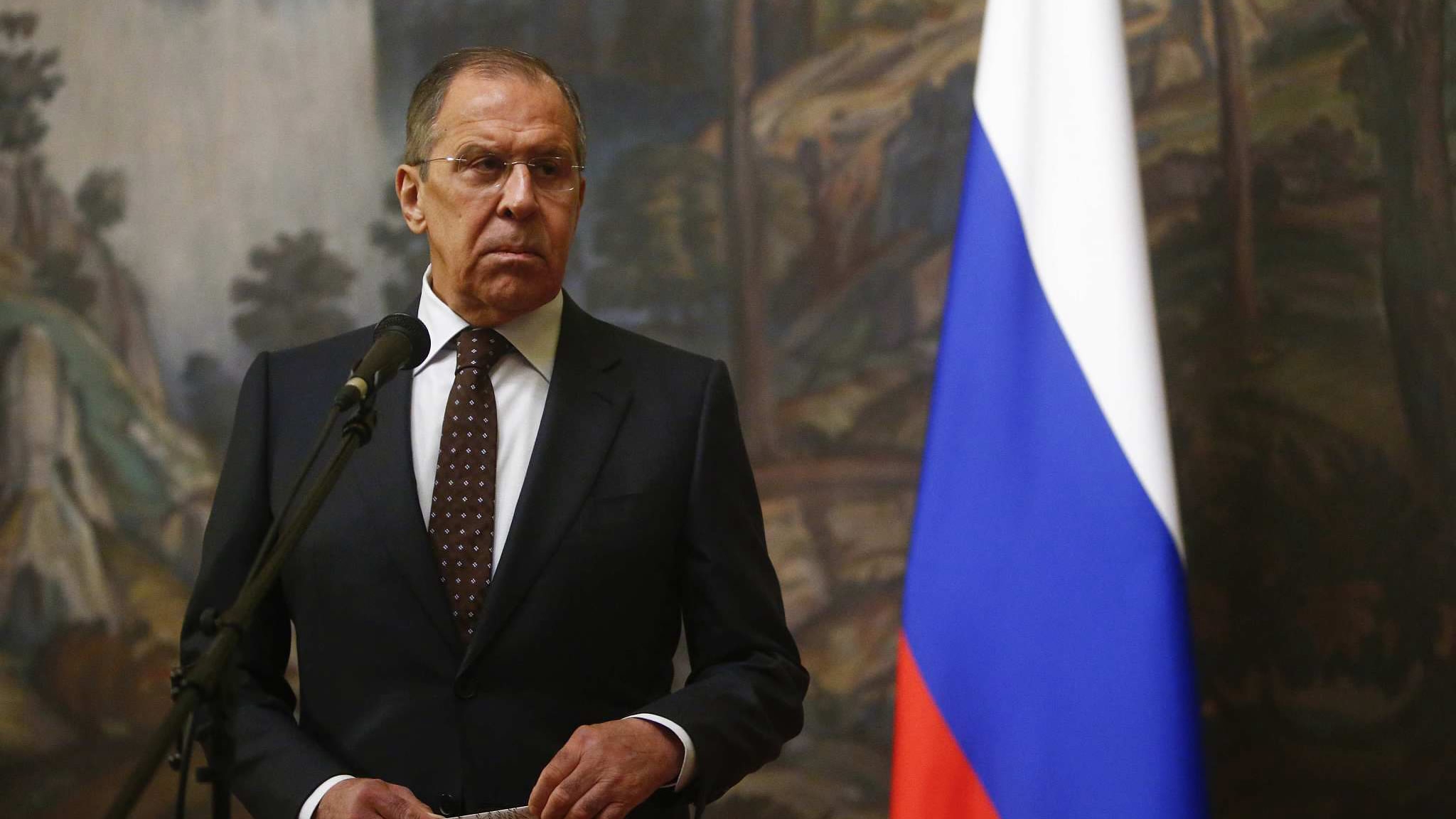
Russia on Tuesday rejected Britain's demand that Moscow should provide an explanation over the poisoning of an ex-double agent and said London should provide Moscow with access to the nerve agent.
"Before giving ultimatums it's better to honour your own obligations on international law," Lavrov told reporters, referring to the Chemical Weapons Convention.
Russia's top diplomat said that Britain should have sent Moscow an official request about the substance used on its soil.
Lavrov said Russia had not received such a request and also demanded to be given access to the Russian-made nerve agent used to poison former double agent Sergei Skripal and his daughter Yulia.
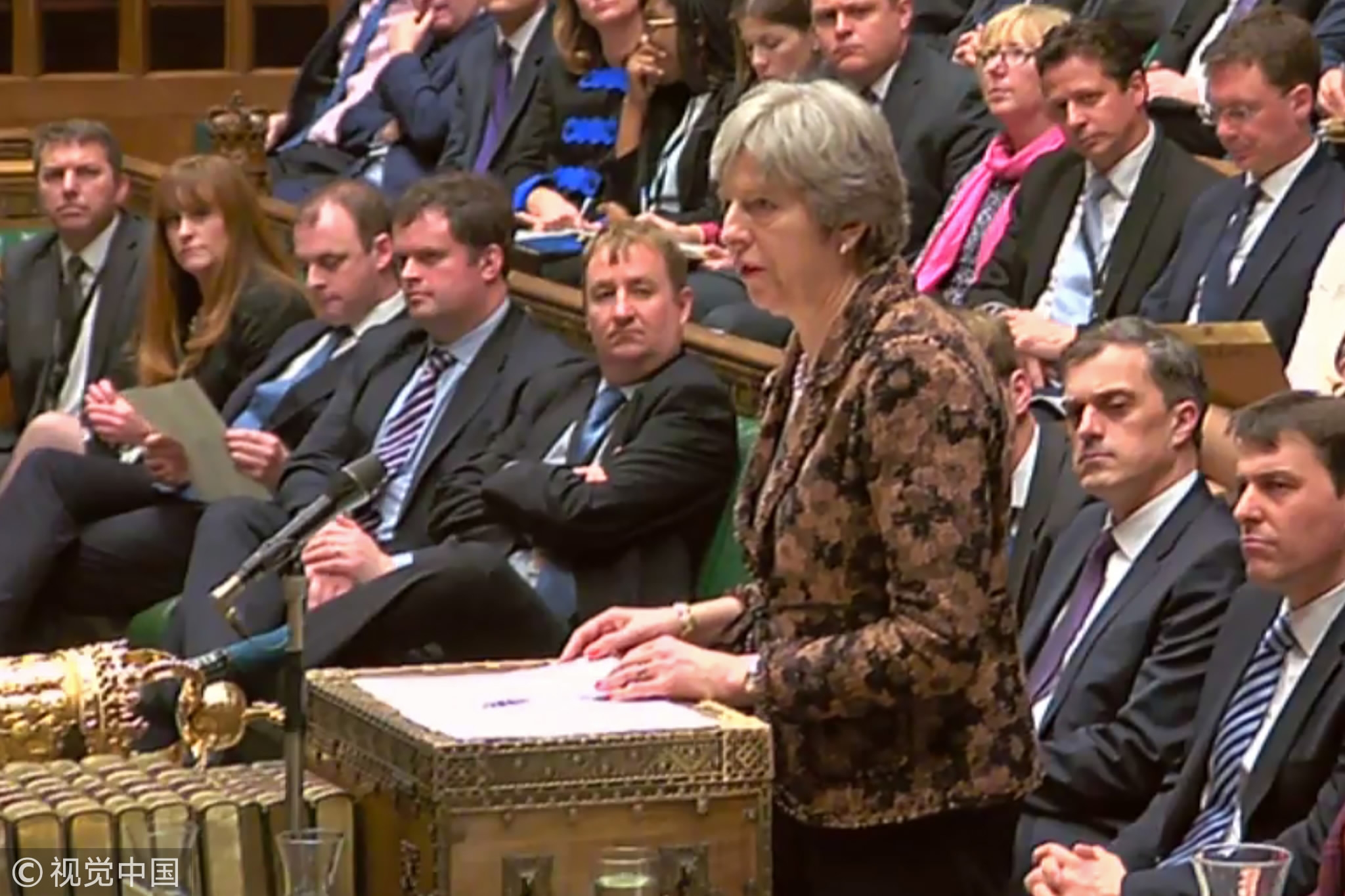
Britain's Prime Minister Theresa May delivers a statement to the parliament in the House of Commons on the nerve agent attack against Russian double agent Sergei Skripal in Salisbury last week, in London, March 12, 2018. /VCG Photo
Britain's Prime Minister Theresa May delivers a statement to the parliament in the House of Commons on the nerve agent attack against Russian double agent Sergei Skripal in Salisbury last week, in London, March 12, 2018. /VCG Photo
"Through an official note we had demanded access to this substance," Lavrov said, adding that Russia also asked to be informed about the investigation.
"Our requests have been denied."
"If the procedures stipulated by the convention will be implemented I assure you that Russia will fulfill its obligations," Lavrov said.
He insisted that Moscow was not to blame for the poisoning of the former agent and said it was ready to cooperate with London.
"Russia is not guilty. Russia is ready to cooperate according to the Chemical Weapons Convention, if Britain takes the trouble and condescends to carry out its international obligations according to the same document," Lavrov told a press conference.
Separately, a spokeswoman for the Russian Foreign Ministry, Maria Zakharova, said the ministry had summoned the British ambassador, Laurie Bristow, amid the escalating poisoning row.
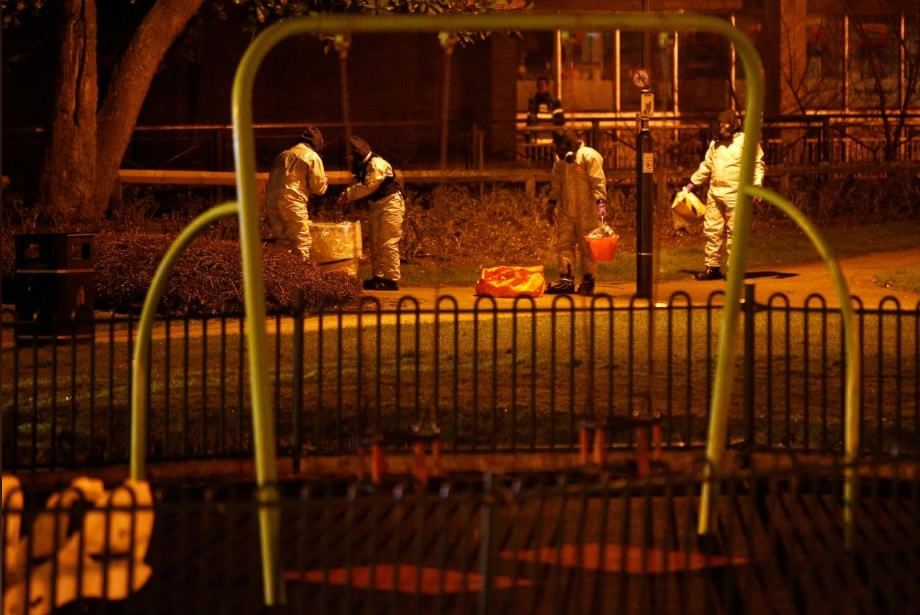
Members of the British emergency services wearing protective clothing work next to a children's play area near the bench where former Russian intelligence officer Sergei Skripal and his daughter Yulia were found poisoned in Salisbury, Britain, March 13, 2018. /Reuters Photo
Members of the British emergency services wearing protective clothing work next to a children's play area near the bench where former Russian intelligence officer Sergei Skripal and his daughter Yulia were found poisoned in Salisbury, Britain, March 13, 2018. /Reuters Photo
In the first sign of the practical implications of the growing diplomatic crisis, Russia threatened to bar all British media if British authorities banned the Kremlin-backed RT broadcaster.
British regulator Ofcom has warned it could review RT's license if Russia were found to have been responsible for the attack on Skripal, who came to Britain in a 2010 spy swap.
The United States, NATO and the European Union have all backed Britain in its stand-off with Moscow, following what is believed to be the first nerve agent attack in Europe since World War II.
In a phone call with British Prime Minister Theresa May on Tuesday, US President Donald Trump said Russia must "provide unambiguous answers."
The two leaders "agreed on the need for consequences for those who use these heinous weapons in flagrant violation of international norms," the White House said.
Allies back Britain
May gave Moscow an ultimatum on Monday to explain whether Skripal's attempted murder was a state-sponsored attack, or whether it had "lost control" of the nerve agent.
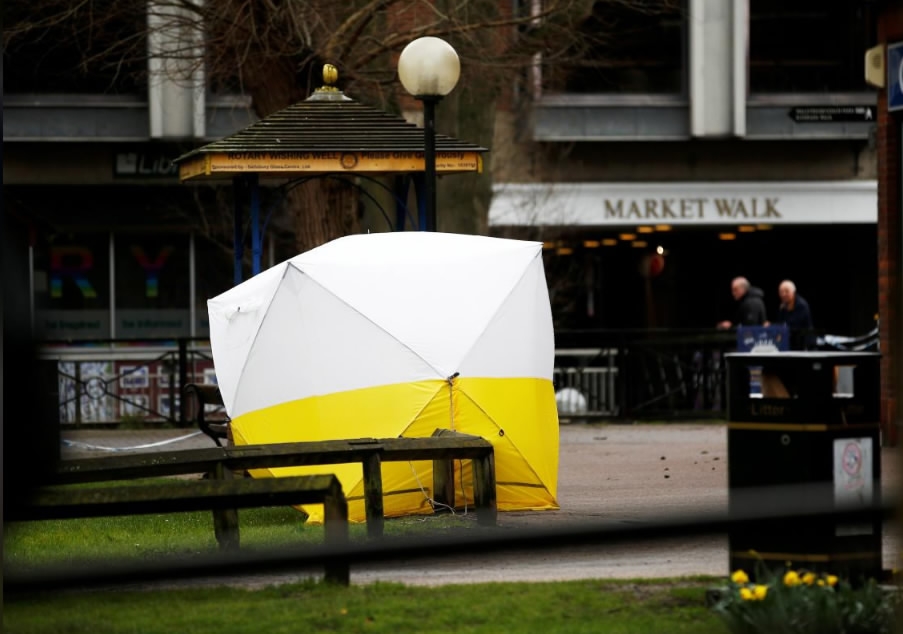
A tent covers the park bench where former Russian intelligence agent Sergei Skripal and his daughter Yulia were found after they were poisoned, in Salisbury, Britain March 12, 2018. /Reuters Photo
A tent covers the park bench where former Russian intelligence agent Sergei Skripal and his daughter Yulia were found after they were poisoned, in Salisbury, Britain March 12, 2018. /Reuters Photo
Pharmacology experts said Novichok, a broad category of more than 100 nerve agents developed by the Soviet Union during the late stages of the Cold War, was "more dangerous and sophisticated" than sarin or VX.
May will gather her National Security Council on Wednesday morning "to discuss the response from Russia," and will then give a statement to MPs, her spokesman said.
European Commission Vice President Frans Timmermans said the EU was united in "unwavering" solidarity, while German Chancellor Angela Merkel said she was taking the British accusation "extremely seriously."
French President Emmanuel Macron said for his part the attack was "unacceptable" and "reaffirmed France's commitment to fighting impunity when it comes to chemical weapons use," his office said.
NATO Secretary General Jens Stoltenberg said the incident was "of great concern" amid reports that Britain was consulting NATO allies about possibly invoking its Article 5 principle of common defense.
But Moscow on Tuesday summoned the British ambassador and called the accusations "another dirty attempt by British authorities to discredit Russia."
Source(s): AFP