
18:05, 28-Feb-2019
Highlight - Chinese Expert: How China carries out its relocation project?

Share






Copied
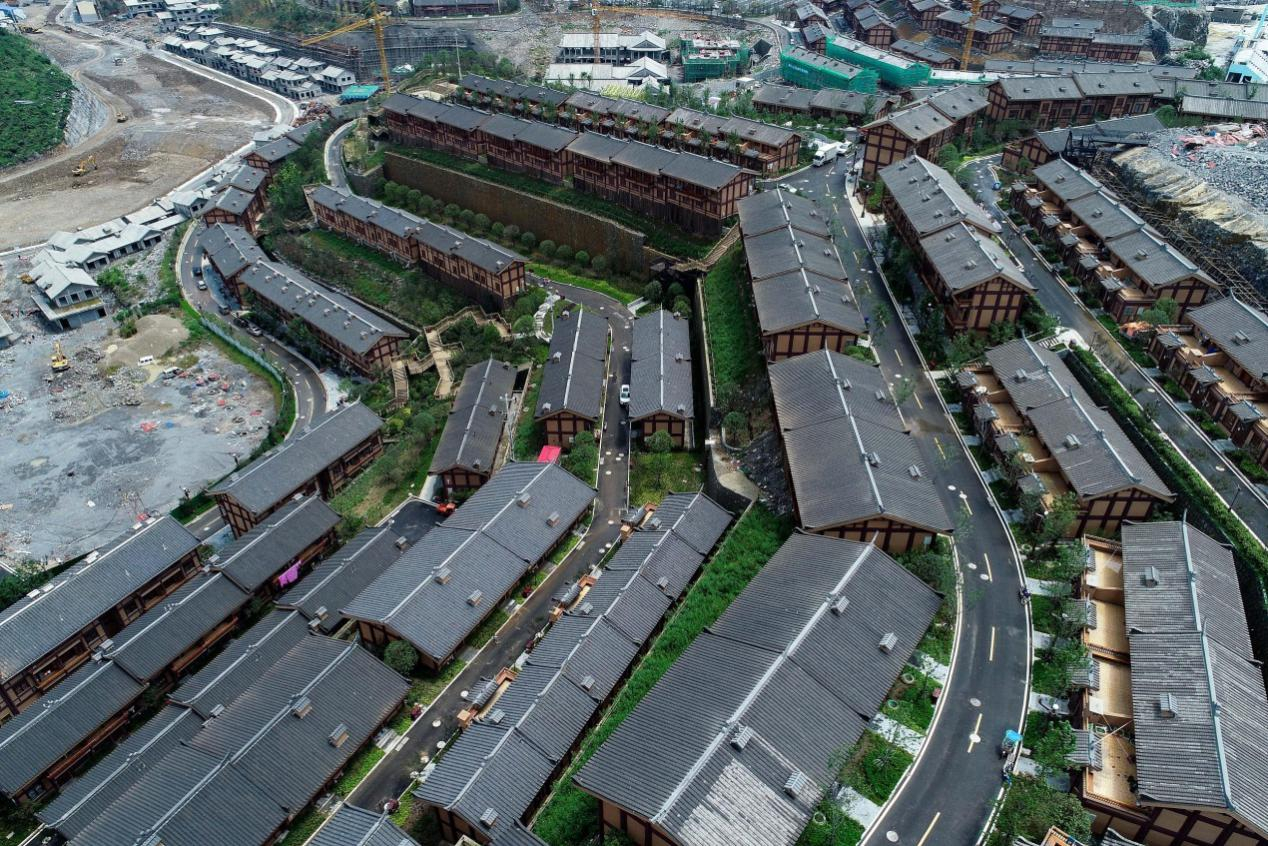
Relocation is one of the five methods of targeted poverty alleviation proposed by President Xi Jinping. Its aim is to help people who live in impoverished places — which are often mountainous and remote, not suitable for agriculture and prone to natural disasters — migrate to places with more livable conditions and opportunities. However, taking into account the traditional customs of the Chinese people who are emotionally attached to their homeland, exacerbated by various problems arising from the unfamiliarity of the outside world, many residents are unwilling to move even though they are living below the poverty line. This poses a complex challenge for the relocation method of poverty alleviation. To explain how the Chinese government carries out relocation work and confronts these challenges, Minister Liu Yongfu, Director of the State Council Leading Group Office of Poverty Alleviation and Development, spoke with Robert Lawrence Kuhn.

A family doctor provides medical service to a resident in a resettlement community in Fuquan, Guizhou Province. / VCG Photo
A family doctor provides medical service to a resident in a resettlement community in Fuquan, Guizhou Province. / VCG Photo
According to Minister Liu Yongfu, enforcement in moving or demolition is not allowed in relocation work. In some places, local government brought people to relocation sites as a kind of trial so that they could experience the conveniences of modernization. After getting a taste of how much better life would be in the relocation sites, they generally change their minds and are more willing to move. In addition to funding the housing developments, local governments also address issues like industry, infrastructure and other relevant areas to make sure the migrants adapt quickly to their new lives, especially because, after stopping farming, they have to give up their previous source of income. The Chinese government intends to relocate ten million people at a cost of 600 billion RMB, which equals to 60 thousand RMB for each. By the end of 2017, over five million people had been relocated. The task is half done and will be primarily fulfilled by 2020. At present, no major deleterious event has occurred nationwide and this could be a strong testament of the focused and effective manner of relocation work in China.