
09:06, 25-Feb-2019
Autism in Africa: Autistic children suffer from stigmas in Tanzania
Updated
09:00, 28-Feb-2019
 []
[]
Share






Copied
03:02
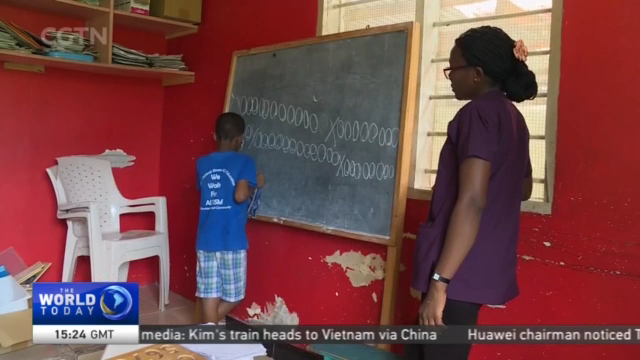
Autism is a condition highly misunderstood throughout Africa. Autism is a complex neurobehavioral condition which impacts children's communication and social skills, and hampers their ability to learn. In Tanzania, autistic children are often considered cursed, leading to social exclusion and even physical violence. But one pioneering treatment center in Dar Es Salaam is addressing those concerns. Daniel Kijo has more.
They told him their son was bewitched and cursed. Some even labeled Jane and Isaac Jisangu bad parents. Then they read an article in a newspaper about autism, explaining their son's unusual behaviour.
JANE JISANGU ISAAC'S MOTHER "The problem exists but most people don't know about it. Some will tell you to go to 'experts' or go see your elders. They might help you, they envy you, that's why."
The signs of Autism vary. It can include mild or severe difficulties with social skills, repetitive behaviors, speech, and nonverbal communication. This family traveled to India, spending $15,000 on treatments, unaffordable for most Tanzanians.
DANIEL KIJO DAR ES SALAAM, TANZANIA "One of the biggest challenges is the lack of skills and expertise to properly diagnose Autism in Tanzania. And indeed across Africa. And even when Autism is identified, to get proper treatment and care delivery is often difficult. This center is one of the few in Tanzania providing therapy for the children that need it most."
SARMs Occupational Therapy and Rehabilitation Center helps provide autistic children with practical skills to help them with integration and ultimately to find employment. Educational Psychologist Hussein Mshunga says his career choice is not popular with his peers.
HUSSEIN MSHUNGA EDUCATIONAL PSYCHOLOGIST, SARMS "Most of the youth who are finishing the course like mine they don't engage in this kind of thing. So it gives me some energy and motivation to do what others are not doing."
George Maro founded the center 5 years ago. Since then they've assisted over 1000 children. He wants to change negative perceptions, which can lead to abuse.
GEORGE MARO FOUNDER, SARMS "They are always beaten severely. With neighbors, with family members. Because they feel these children are misbehaving deliberately. So when they are asked to do something and they don't do it or they do awkward things sometimes they are beaten severely."
The team at SARMs believes that progress is being made slowly to lift the stigma and ignorance surrounding autism, and to help children to find acceptance in society. Daniel Kijo, CGTN, Dar es Salaam, Tanzania.