
Business
22:12, 13-Apr-2018
SSX: 'China’s further opening-up will create a more robust economy'
 ["china"]
Share






Copied
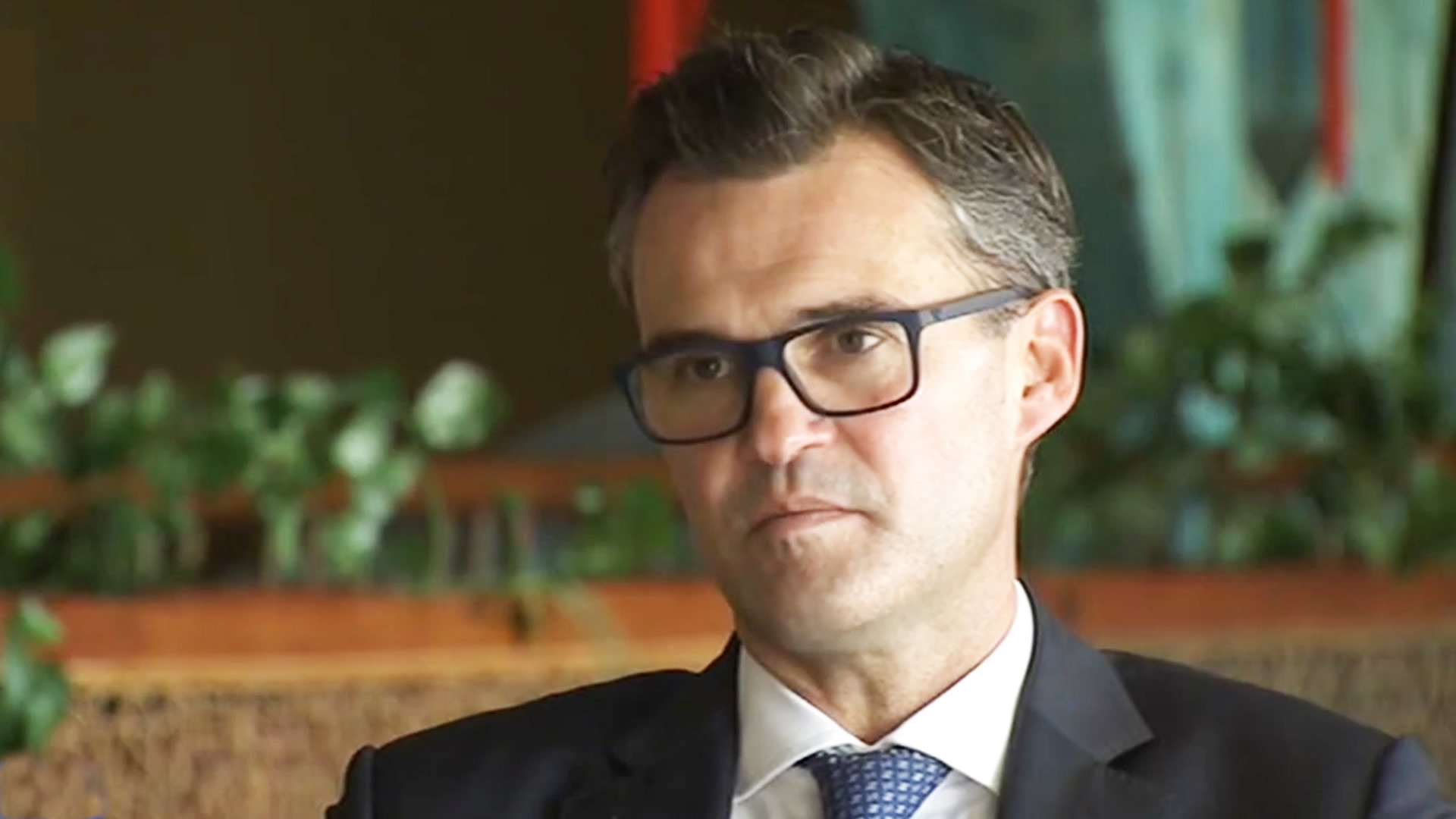
Many say it’s a long time coming when further opening-up measures in China’s financial sector were announced at the Boao Forum for Asia 2018.
What will this next stage of opening-up mean? Will it potentially expose the country to risk, given that it has maintained stability – by taking gradual stances – in the past few decades?
Tony Sacre, CEO of the Sydney Stock Exchange, takes a positive view.
“Whilst on one instance I understand why China is trying to be protective of the legitimacy of its own capital markets, I think (with the opening-up) the additional foreign capital will just add to the entire liquidity pool which is very beneficial,” he said.
“This creates a more robust economy and capital market and that is the best means of protecting against any downside event.”
It’s this build-up in liquidity, according to Sacre, which has positioned China’s banking sector as "significantly" better now compared to 10 years ago.
When asked on concerns on the country’s debt level, Sacre said he takes comfort that China’s overall debt – citing reports from various economic bodies – is starting to taper off.
“The big risk of the debt level is not so much the municipalities or when state-owned enterprises start to be impacted, but it’s when it starts to hit the top-level banks, when banks are viewed as having too much debt in their books,” he said.
To this front, Sacre said China’s well-capitalized banks provide a strong capital market foundation for the economy.
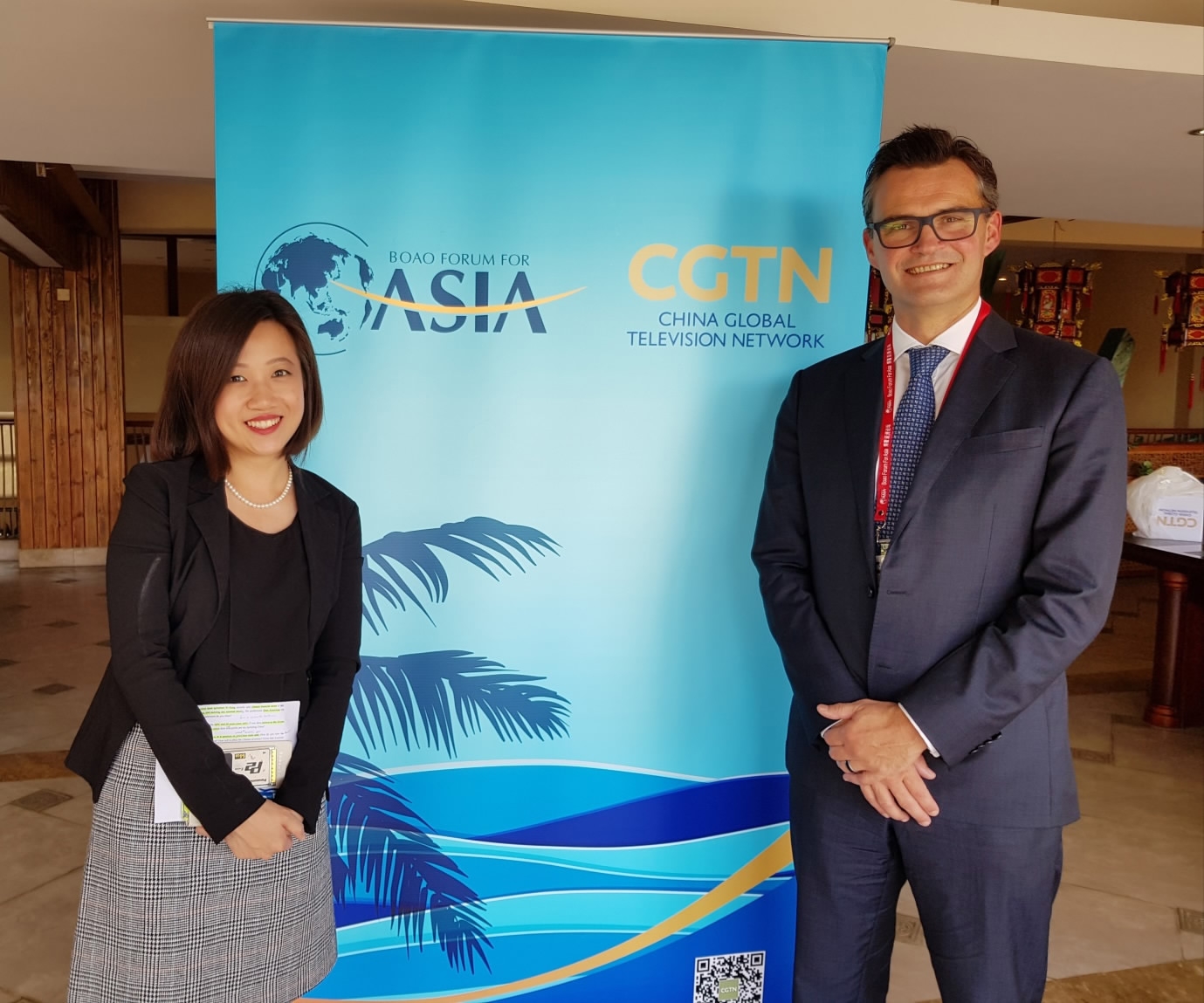
CGTN speaks to Tony Sacre, CEO of Sydney Stock Exchange, on China’s capital market reforms. /CGTN Photo
CGTN speaks to Tony Sacre, CEO of Sydney Stock Exchange, on China’s capital market reforms. /CGTN Photo
This year marks ten years since the global financial crisis and 20 years since the Asian financial crisis. What worries Sacre in today’s geopolitical and investment landscape?
“The main aspect that I see as a concern for China and therefore the rest of the world, because I am concerned about contagion, would be what happens if a trade war, if you will, does occur with the United States because that really does have a trickle-down effect to other economies,” he said.
Stating that China is adopting a measured approach in its responses, Sacre hopes for cooler heads to prevail, and for other countries to also become involved in this dialogue because “it is certainly not just a two-country trade war.”
He added that the saying "when China sneezes, the rest of the world catches a cold" still stands today.
"We as a business have to be very focused on how China is growing and I think global economies around the world will start to pressure China on this trade."