
Politics
15:32, 20-Apr-2018
Pyongyang, Seoul open leaders' hotline ahead of summit
 ["china"]
Share







Copied
00:26
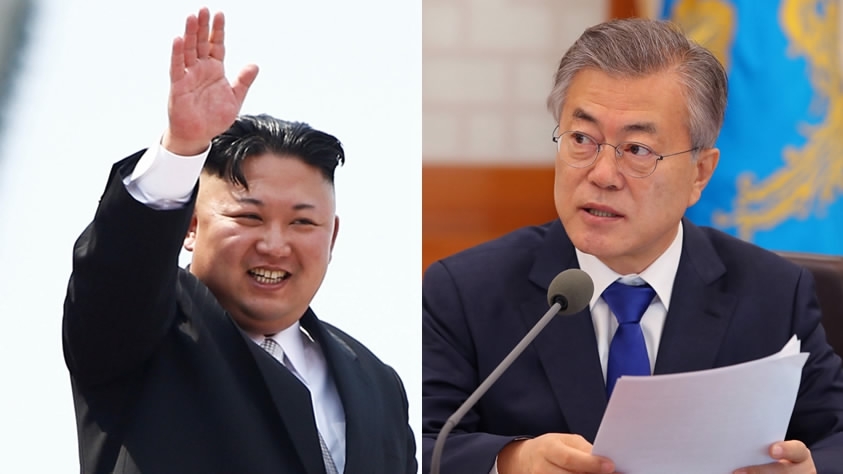
The Republic of Korea (ROK) and the Democratic People's Republic of Korea (DPRK) opened their first-ever hotline of direct dialogue between the leaders of the two sides ahead of the inter-Korean summit, the Blue House of the ROK said on Friday.
Yun Kun-young, director for the Blue House's government situation room, told a press briefing that the connection of "the historic telephone line" between the leaders of the two Koreas was completed.
The phone line linked the Blue House with the State Affairs Commission of the DPRK. The phone for direct calls to DPRK leader Kim Jong Un was installed on the desk inside the office of ROK President Moon Jae-in. The DPRK hotline phone was also placed in Kim's office.
03:12
Working-level officials from the two sides made a test call that lasted over four minutes at about 3:41 p.m. local time (0641 GMT). The connection was good, said Yun.
Moon and Kim have agreed to have their first conversation via the hotline before holding their first summit meeting on April 27 in the border village of Panmunjom.
It marks the first time since the 1950-1953 Korean War ended in armistice that the North and the South have set up a hotline for direct dialogue between the respective leaders.
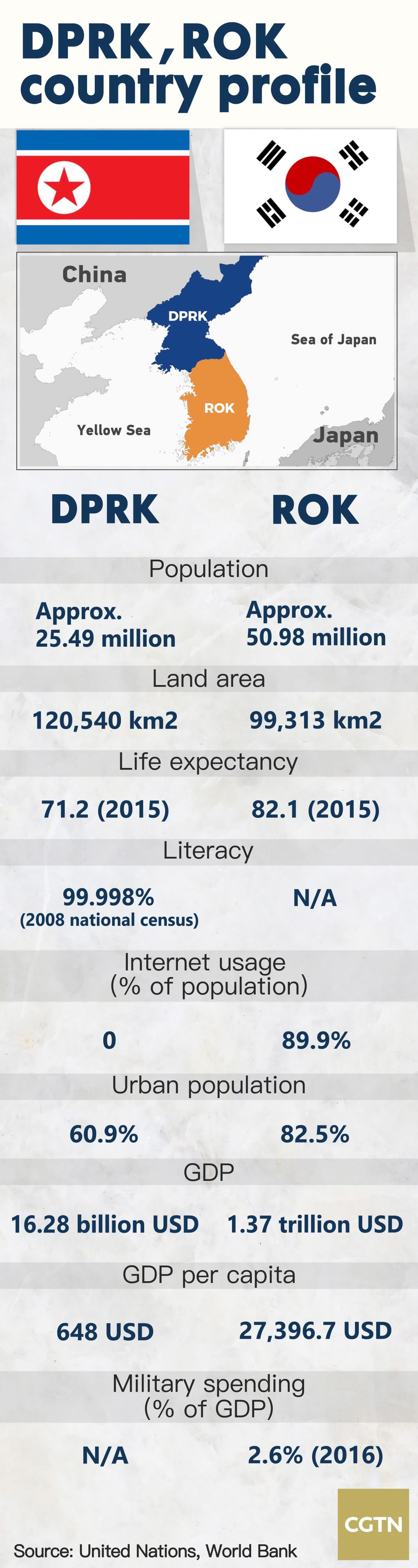
Concerned ROK agencies planned to hold a meeting in Panmunjom on Saturday to discuss security services for Moon during the upcoming summit, Yun said.
A separate meeting of the presidential committee to prepare for the third-ever inter-Korean summit will be held in Panmunjom next week, he added.
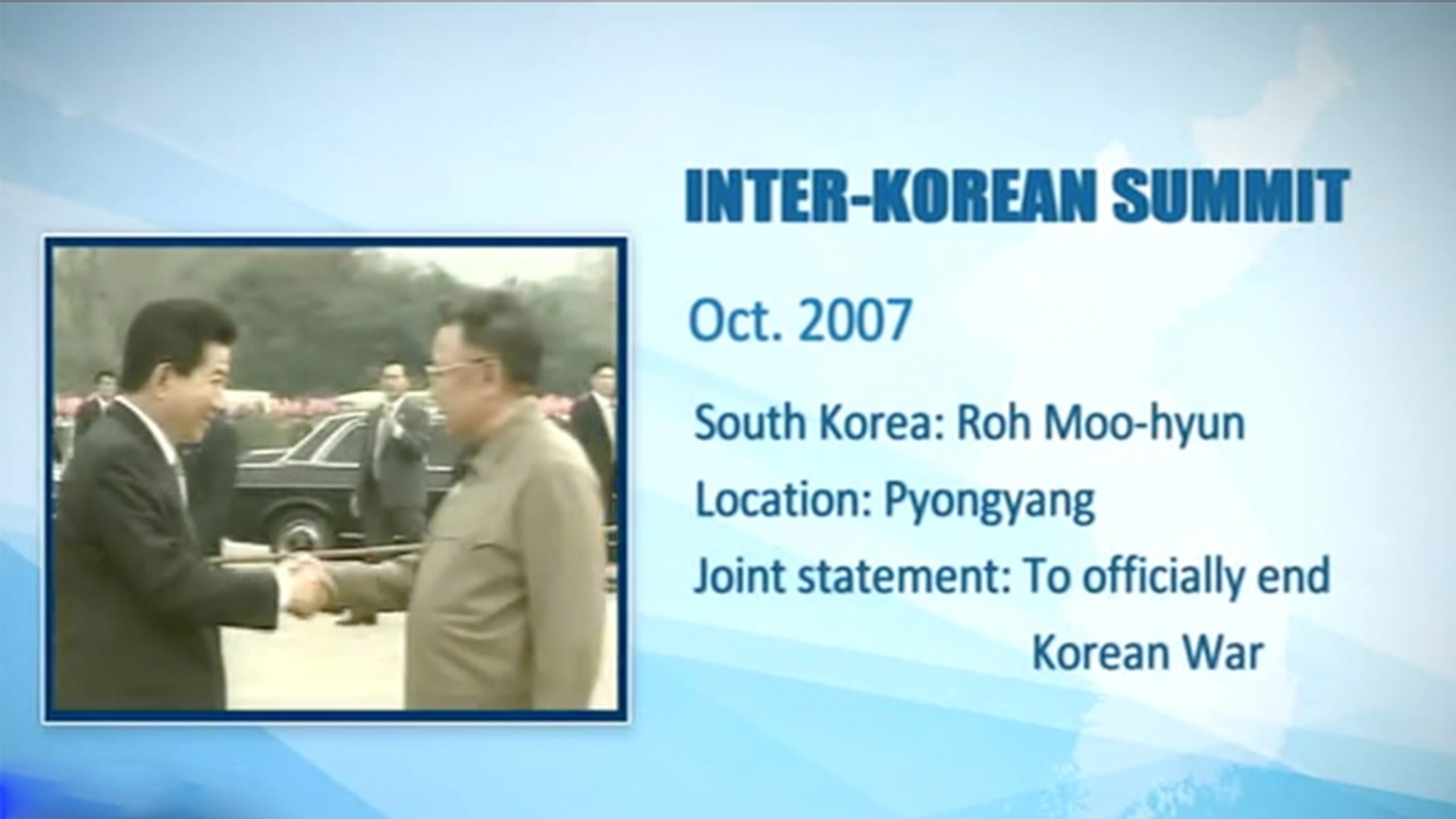
The first and second inter-Korean summits were held in Pyongyang in 2000 and 2007, respectively. The third summit is set to be held at the Peace House, a ROK building in Panmunjom on April 27.
00:40
Why is the leaders' hotline important?
The hotline between state leaders is the highest-level hotline between countries, according to Wang Xingyu, a researcher from the Institute of National Development and Strategies of China's Remin University.
The establishment of the leaders' hotline can facilitate timely and effective communication between countries in case of an emergency, which will help avoid conflicts, Wang said, adding that it shows the closeness of bilateral ties.
The hotline between Kim and Moon opened a week before their landmark summit. The breakthrough has underlined the easing of tensions between Pyongyang and Seoul and will create a favorable atmosphere for the meeting, he noted.
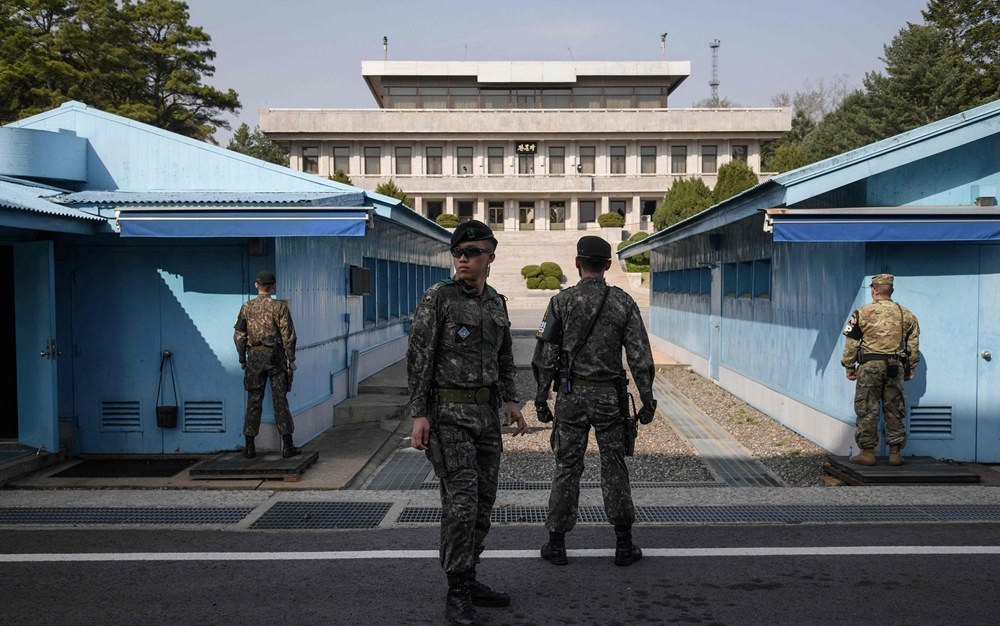
The truce village of Panmunjom within the Demilitarized Zone (DMZ) separating the DPRK and the ROK /VCG Photo
The truce village of Panmunjom within the Demilitarized Zone (DMZ) separating the DPRK and the ROK /VCG Photo
Nevertheless, Wang said it doesn't mean the two leaders can call each other at any time – they will only talk over the phone when both sides are willing to communicate. Usually an appointment needs to be made in advance, he explained.
Top three issues in upcoming summit
The Kim-Moon summit will mainly be focused on three issues, said Wang Junsheng, an assistant research fellow at the Institute of Asia-Pacific and Global Strategies under the Chinese Academy of Social Sciences.
Firstly, the two leaders will discuss how to promote cooperation between the DPRK and the ROK, including the reunion of families on the two sides, economic and trade cooperation, and the building of an economic community on the Korean Peninsula.
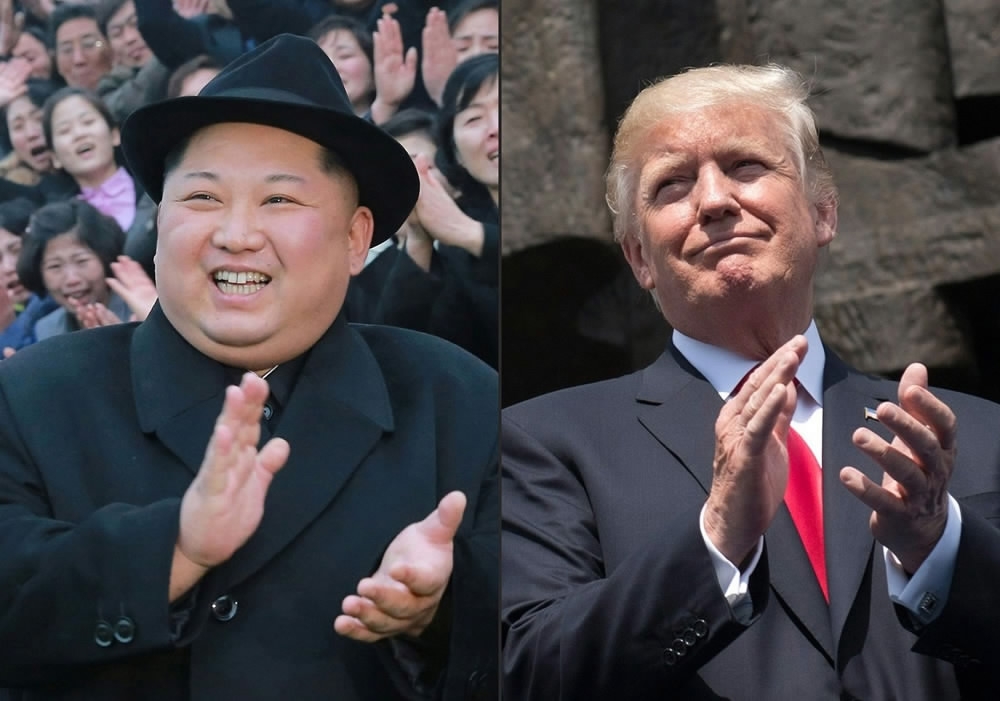
US President Donald Trump has said he plans to meet DPRK leader Kim Jong Un (L) in "May or early June" after Kim's meeting with ROK President Moon Jae-in. /VCG Photo
US President Donald Trump has said he plans to meet DPRK leader Kim Jong Un (L) in "May or early June" after Kim's meeting with ROK President Moon Jae-in. /VCG Photo
Secondly, Pyongyang and Seoul will strive to establish a peace mechanism on the peninsula. The two sides will work towards a peace treaty to replace the armistice signed in 1953.
Also topping the agenda is the denuclearization of the peninsula. The DPRK leader has said on various occasions that Pyongyang is committed to the goal of denuclearization, while calling for Seoul and Washington's "goodwill."
"The issue of denuclearization of the Korean Peninsula can be resolved, if South Korea (ROK) and the United States respond to our efforts with goodwill, create an atmosphere of peace and stability while taking progressive and synchronous measures for the realization of peace," Kim told Chinese President Xi Jinping during his visit to Beijing in late March.
(With input from Xinhua)