
17:23, 20-Jun-2019
Horticultural Expo: Ethiopian flowers target Asian markets to increase growth
Updated
17:19, 09-Jul-2019

Share






Copied
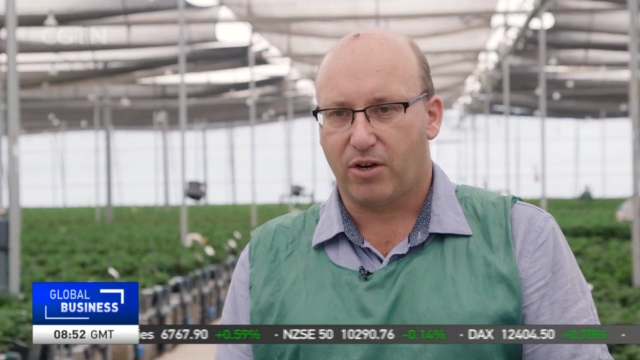
Ethiopia's flower sector is targeting new markets like China and India in a bid to increase growth. Ethiopia gains 200 million dollars annually from flower exports, but that's just a third of what neighbouring Kenya gets. CGTN's Coletta Wanjohi visited a flower farm that's investing in the latest technology and is positioning itself for business from China.
Less chemicals on plants and more environmentally friendly flower cuttings. 150 Km from the capital Addis Ababa is Florensis flower farm. As part of its business strategy, the farm is investing in biological pest control to stay competitive in the horticulture market.
HABTE FANTU, EXPERT FLORICULTURE TECHNICAL "We are releasing predators. It is eating the main pests insects so we are controlling insect by insect and also we use fungus to kill the insects. So we're mostly not using the chemicals, we are using the biological control system."
Florensis is one of five companies in Ethiopia specialising in the beginning of the value chain by growing cuttings just for export. It's Europe's largest supplier of cut plants.
COLETTA WANJOHI MODJO ETHIOPIA "Ethiopia's horticulture industry is about 15 years old and is now growing quickly. It has so far attracted over 130 international investors and exports to countries like Germany, the Netherlands, Belgium and France."
Ethiopia's flower exports, however, are still behind those from Kenya while revenue is just a third of that of neighbouring Kenya, which is why those in the industry are looking to expand into new markets.
RONALD VIJVERBERG, DIRECTOR FLORENSIS ETHIOPIA "We are ready to supply young plants to the Chinese market also. These are quality plants which have been tested in other markets and China is definitely for us an opportunity. It will take some time and hard work to get into the market but we are sure it will open up."
Flower experts, however, fear that there will be competition from China's existing small, traditional flower producers.
RONALD VIJVERBERG, DIRECTOR FLORENSIS ETHIOPIA "China is also known to do everything by themselves. That is not bad but it would be good to get into some partnership and also see what China can do and also don't let them make the mistakes which we have made in the beginning but directly start with good way, get the good varieties there, get a good partnership."
But Ronald believes that once a supply deal to China is achieved, growth will follow because of the availability of land to flower farmers in Ethiopia. The government has allocated over 12,000 hectares of land for horticulture investment. So with just over 11 of this land being cultivated, there's plenty of room for growth, once new markets open up. Coletta Wanjohi, CGTN, MODJO, ETHIOPIA.