
Business
11:46, 14-Apr-2018
US Treasury: No major trading partner manipulates currency
 ["north america"]
Share







Copied
US Treasury Department said Friday that no major trading partners, including China, manipulated their currencies.
"No trading partner was found to have met the legislative standards for currency manipulation during the current reporting period," said the Treasury Department in its Semi-Annual Report to Congress on International Economic and Exchange Rate Policies.
According to the report, "the Monitoring List comprises China, Japan, South Korea, Germany, Switzerland, and India."
It's the first time for the Treasury Department to put India on the list, due to extensive intervention in its currency markets.
"China is the most successful example of external rebalancing in the post-crisis period among the major surplus economies," said the report.
China's current account surplus was only 1.4 percent of GDP in the second half of 2017, sharply down from the peak of over 10 percent of GDP in 2007.
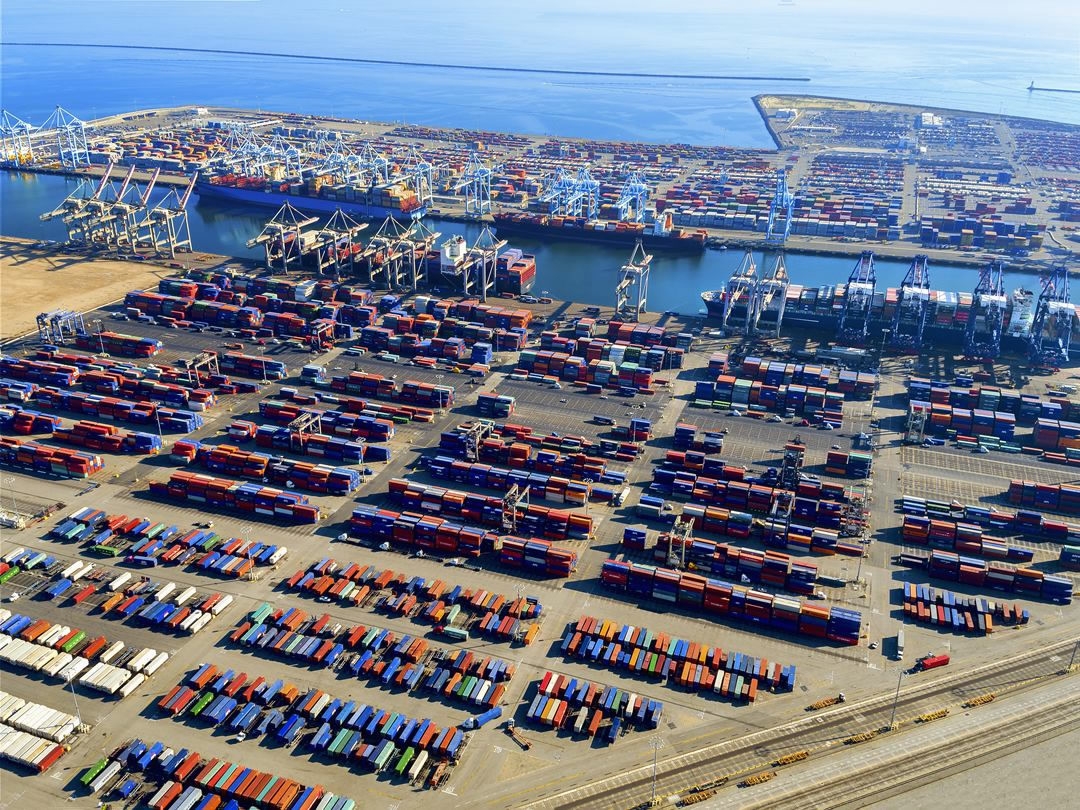
Aerial view of the container port at San Pedro in Los Angeles, with ships docked and containers awaiting loading /VCG Photo
Aerial view of the container port at San Pedro in Los Angeles, with ships docked and containers awaiting loading /VCG Photo
The appreciation of the Chinese currency renminbi, or the yuan, in 2017, helped reduce China's trade surplus with the US, according to the report.
The Treasury Department said it places "significant importance" on China adhering to its G20 commitments to refraining from engaging in competitive devaluation and not to target China's exchange rate for competitive purposes.
As China pushed forward market-oriented reforms on its foreign exchange rate mechanism, the Chinese currency renminbi, or the yuan, has been broadly in line with fundamentals in recent years, many economists and institutions pointed out.
According to a research by the Peterson Institute for International Economics, China was not manipulating its currency from 2015 to 2017.
Source(s): Xinhua News Agency