
10:24, 20-May-2019
Tensions Escalate in Persian Gulf: Saudi Arabia officials say they're prepared to fight, but don't seek war
Updated
10:20, 23-May-2019
 []
[]
Share







Copied
02:30
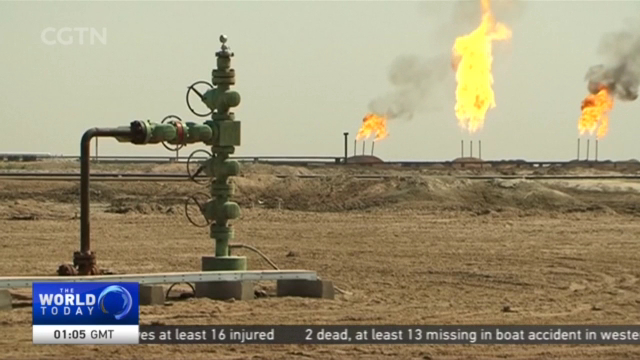
Meanwhile, top OPEC ministers and other officials have gathered this weekend in Saudi Arabia to discuss whether to extend oil production cuts. As CGTN's Jacob Greaves reports, escalating tensions in the region have cast a shadow over the meetings.
Some of the top oil exporting nations were represented in Jeddah but it was events outside these halls that had officials talking.
Last week, drones targeted two Saudi Aramco oil pumping stations and a key pipeline.
The incident came just two days after four commercial ships were attacked in waters near the United Arab Emirates amid heightened tensions between Iran and the U.S.
Saudi Arabia's energy minister said global supplies were rising and there was no shortage. He recommended driving oil inventories down.
KHALID AL-FALIH SAUDI ARABIAN ENERGY MINISTER "There is a lot of concern, and we acknowledge it about disruptions."
OPEC-Plus, an alliance including Russia, has been reducing output by 1.2 million barrels per day since January.
With the U.S. tightening sanctions on Iran, the bloc is facing pressure to boost production to lower prices.
JACOB GREAVES DUBAI "Perhaps a bigger test of OPEC policy will come next month when officials hold another meeting, with non-OPEC members such as Russia. It comes as a deadline approaches with the group's current production quotas set to expire at the end of June."
Energy officials say the meeting will also likely be shaped by market data.
ROBIN MILLS CEO, QAMAR ENERGY "There're still several market factors that are still unclear and the key one there is the effect of the sanctions on Iran. The U.S. decision to withdraw waivers only really comes into effect at the start of May so we're only two weeks into that now. Tankers take a long time to arrive at their markets so by June we will have at least a month's information about how much production is actually being taken off the market by that decision, which customers Iran still has."
Instability in Libya and Venezuela also threatens to dent global supplies.
U.S. President Donald Trump continues to push Gulf allies to boost output. So far, they've been unwilling to do anything that might lower the price below $70 a barrel.
The gathering in Jeddah brought about no major shift, so for now, OPEC is not expected to make any decisions until the next meeting. JG, CGTN, Dubai.