
Culture
23:10, 16-Mar-2018
Educating China’s economic migrant children
 ["china"]
Share







Copied
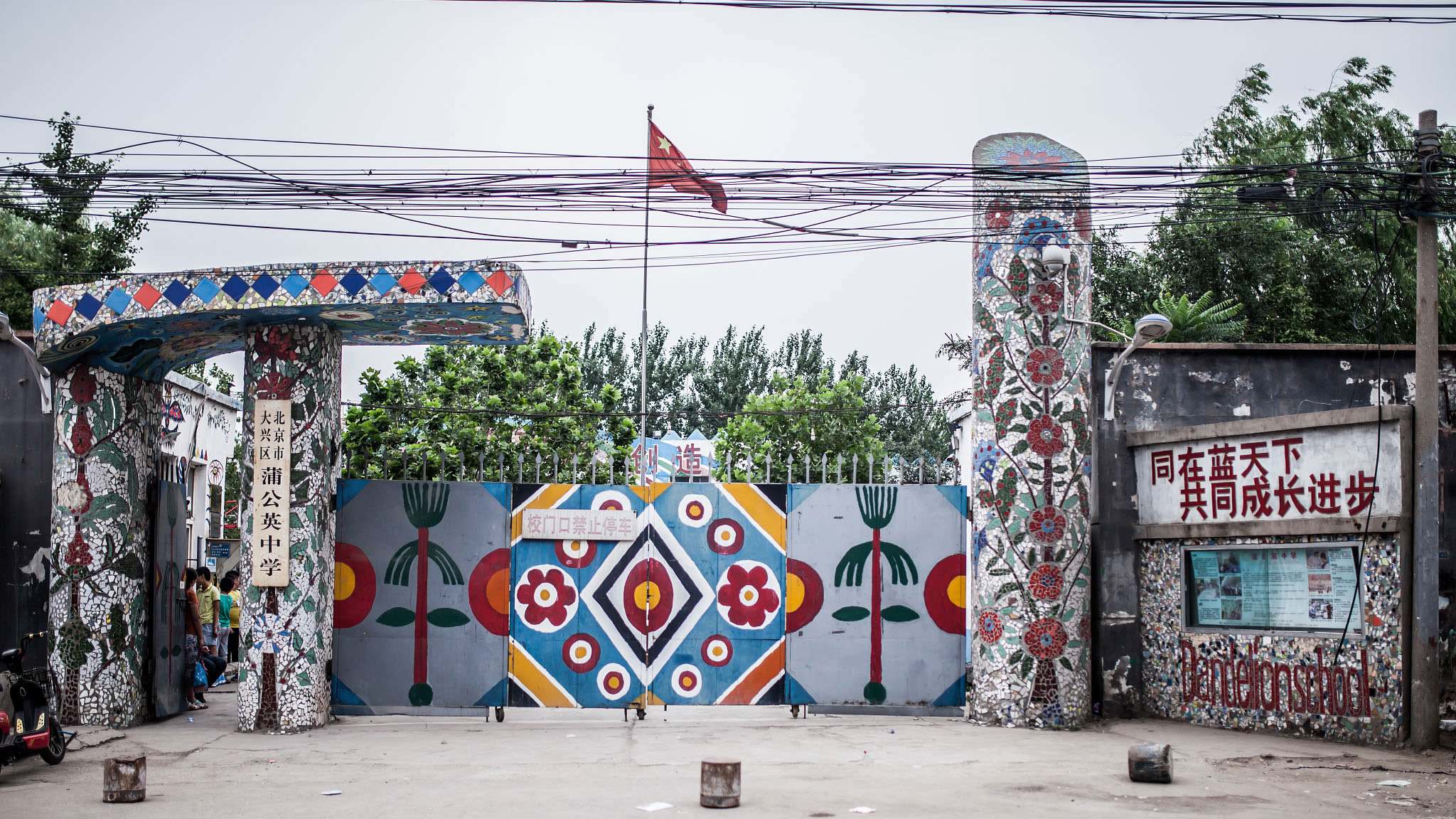
Domestic economic migrants in China are referred to as “migrant workers.” Often out of necessity, they leave their homes and families to work in cities. This is a sacrifice made by many parents all over the world. But in China, they pay an additional penalty for moving away from their home area to work: They aren’t eligible for the same social benefits as locals. That’s because of a resident registration system called “hukou.”
But the children of migrant workers often face the biggest sacrifice: If they stay at home in their province or region, they might not see their parent(s) for up to a year, sometimes longer.
I was in a village in Guizhou Province, and met one family where the mother was gone so long, her children couldn’t face her when she returned after several years of being away. (They are firmly united now).
But what if the children travel with their parents? Well, one of the social benefits denied economic migrants in China is access to the same state-run schooling as local kids, which in turn, limits their chances of further education and choice of career.
So in time, these children will end up in their parents’ shoes or work boots. That’s not to say the Chinese government isn’t doing its best to tackle this: With its Rural Vitalization Program, it is investing heavily in the future of the rural population and the rural economy. This is bound to help reduce economic migration, and improve living standards in the countryside.
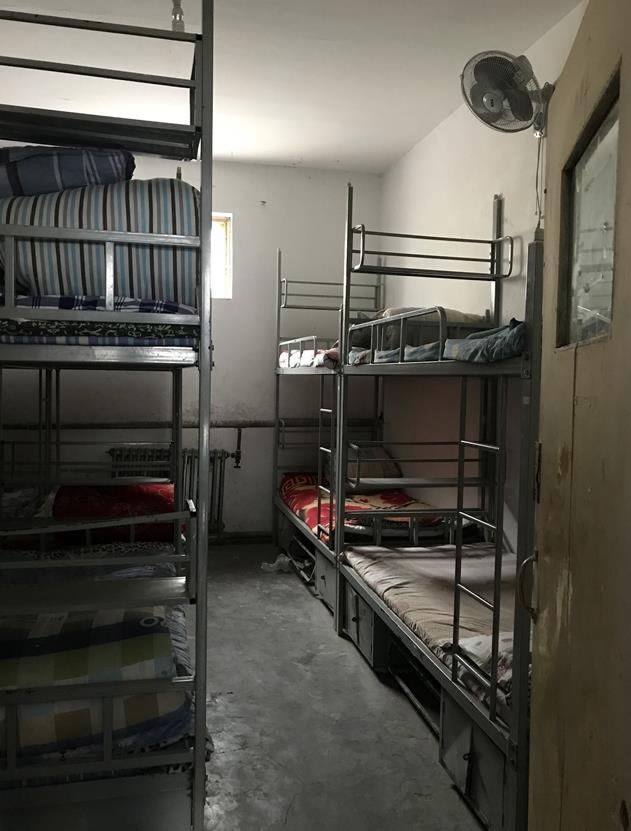
These dorms have heating, but many pupils’ homes are freezing in winter. /Photo by Yao Chin
These dorms have heating, but many pupils’ homes are freezing in winter. /Photo by Yao Chin
Right now though, the schooling problem remains. Many children of economic migrant workers are taught privately, and not to the exacting standards of a public school. But in Beijing, I visited the capital’s only non-profit, privately-run middle school just for the children of economic migrant workers, called the Dandelion School. It’s run mainly on donations, and is supported by many volunteers. It’s the exception to the rule – and so are its pupils.
The school teaches 400-500 kids aged between twelve and fifteen. Beyond teaching them well enough that they are then able to return to their province or region to continue their education, what makes the Dandelion School so special is that it also nurtures strong values in the children.
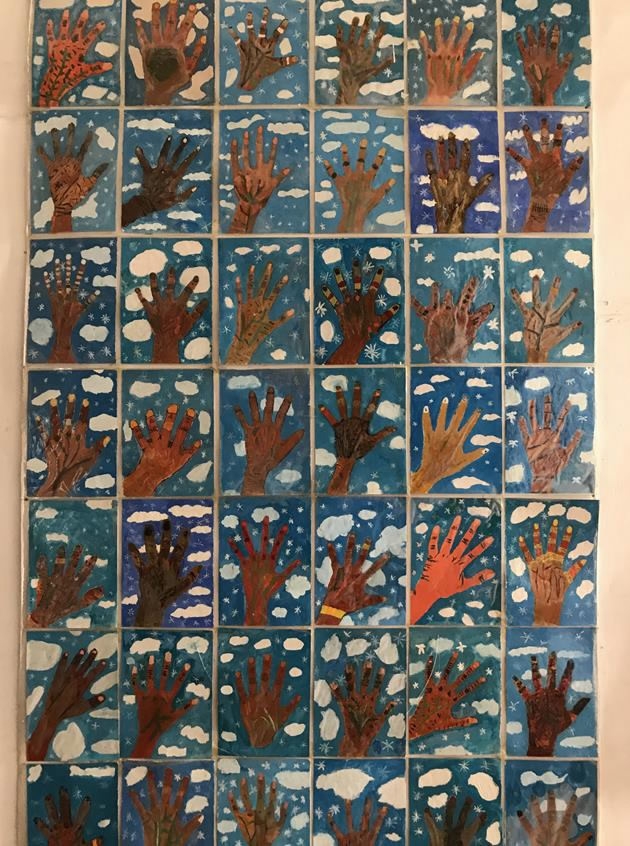
The school students' paintings of their parents hands. /Photo by Yao Chin
The school students' paintings of their parents hands. /Photo by Yao Chin
Let me give you an example that I didn’t have time to show in my video report: One project the pupils did was to understand their parents’ toil and sacrifice by examining and then painting their parents’ hands. Many of their parents do hard manual labor, and quoting the school project, “These soiled hands contribute so much, but complain so little.” It is one of many ways the pupils have been encouraged to get closer to their parents.
At the same time, creativity, which might seem a luxury at home, is seen as a necessity at school. The kids are given art and music classes. Although their current campus is fashioned out of old factory buildings, it’s painted with flowers and trees.
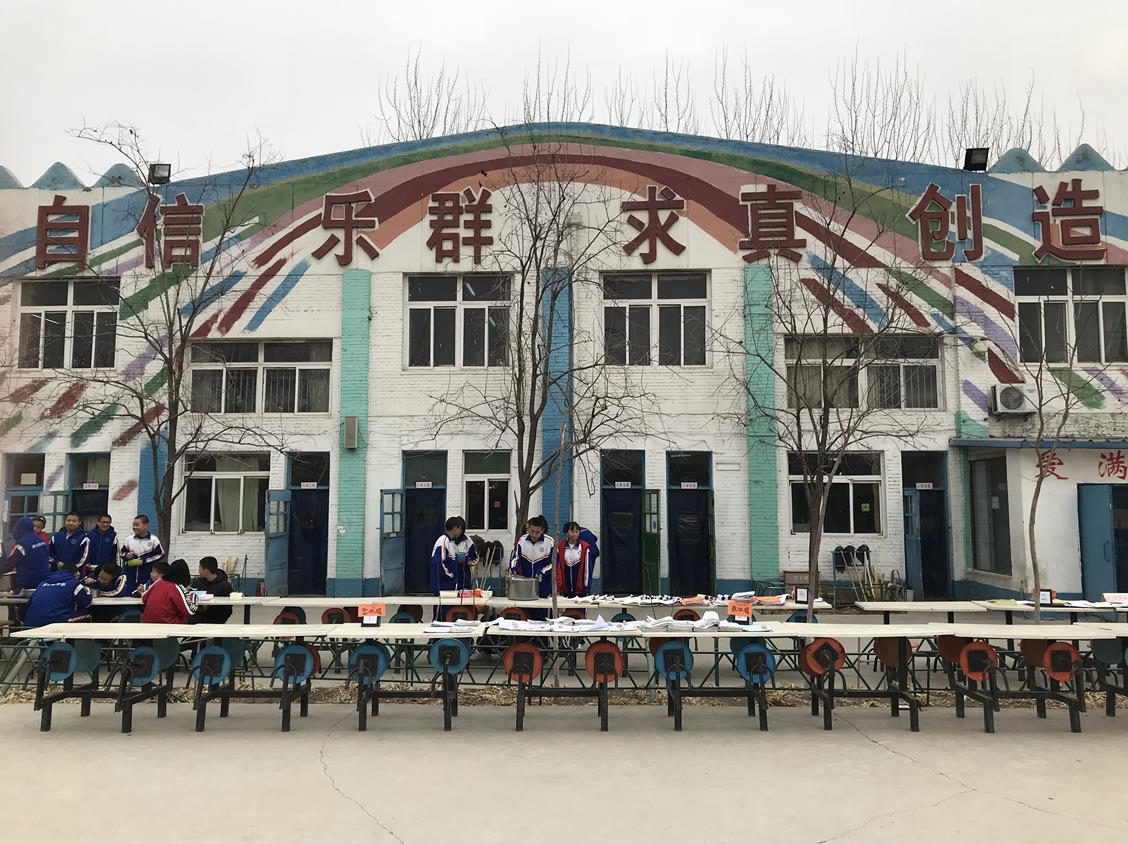
“Be confident, be happy and work with others, seek the truth, be creative.” /Photo by Yao Chin
“Be confident, be happy and work with others, seek the truth, be creative.” /Photo by Yao Chin
The big characters on the main building say: “Be confident, be happy and work with others, seek the truth, be creative.” And above this, a rainbow design picked in a competition held for the pupils to show them that what you dream and work for can come true.
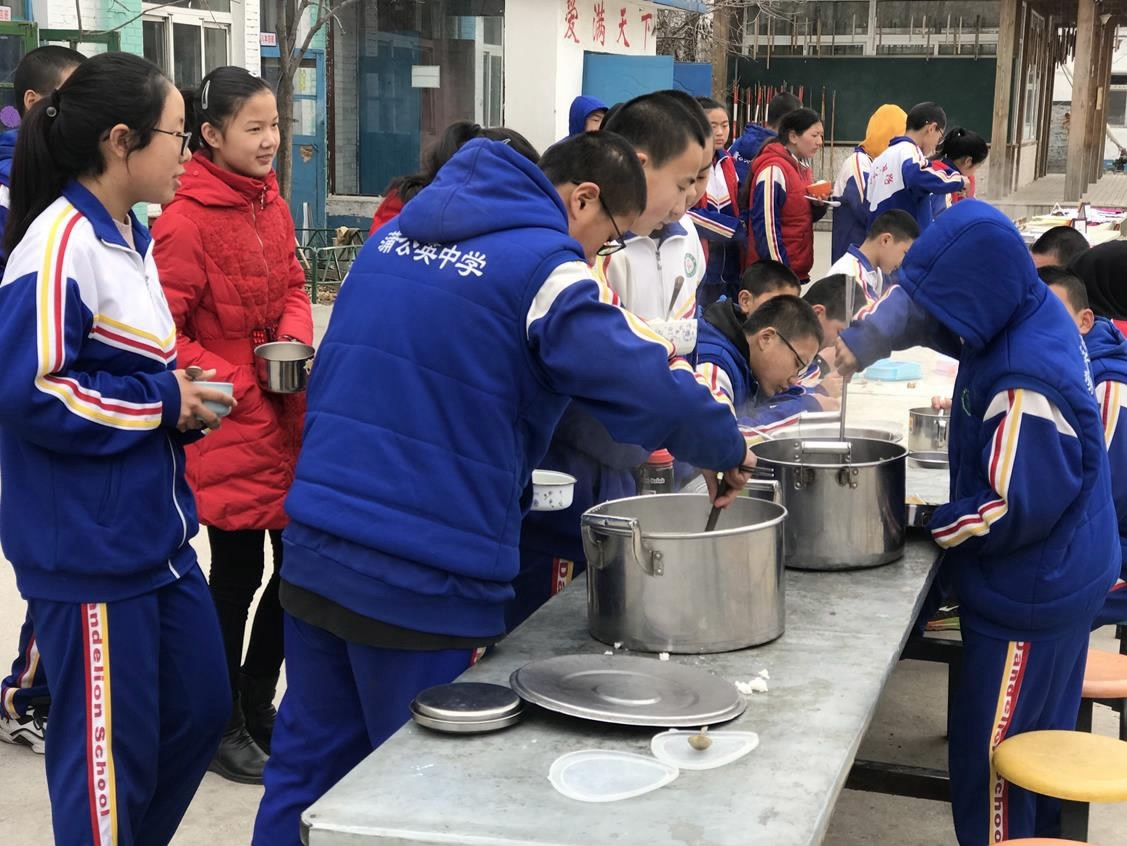
Lunchtime /Photo by Yao Chin
Lunchtime /Photo by Yao Chin
But as the teacher I spoke with, Rainey Wang, pointed out, her pupils are still just kids. They don’t feel disadvantaged or different. And because of their education at the Dandelion School, it’s my feeling that they won’t in years to come. But I’m sure their experience at the school will make them outstanding all the same.
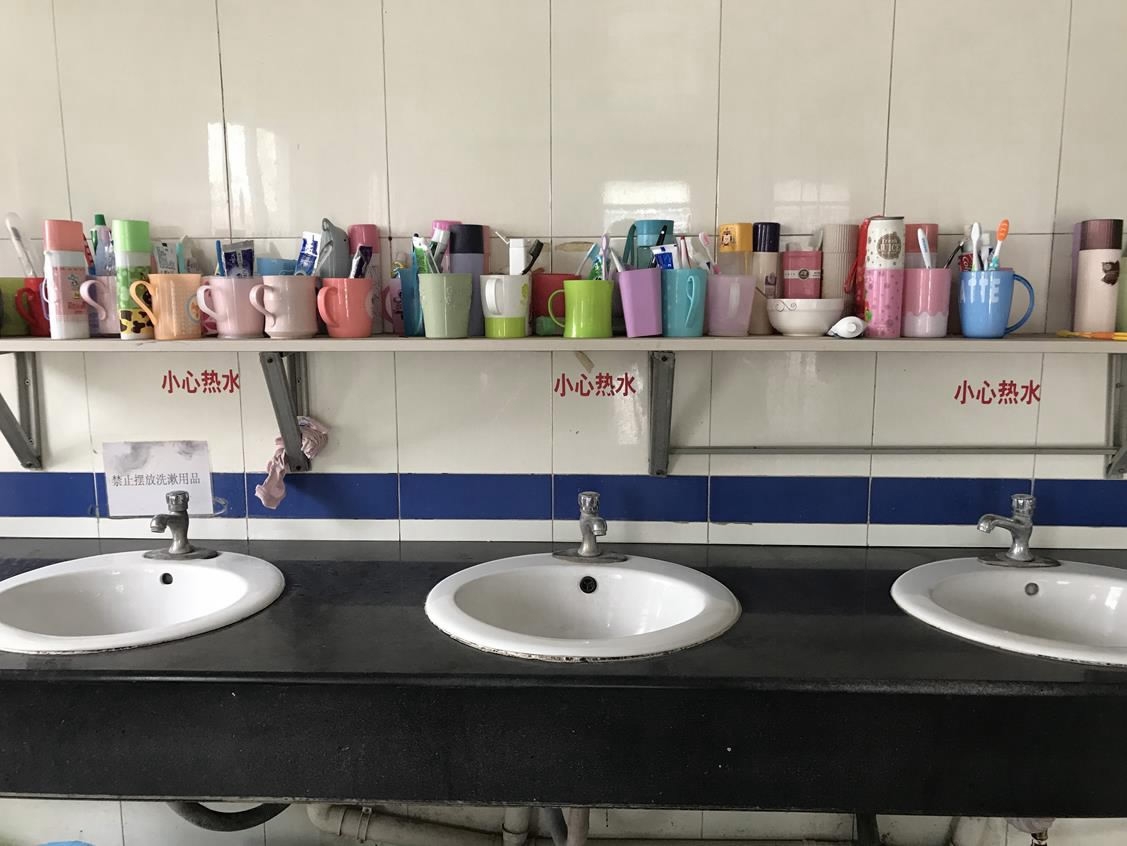
Some of the five hundred toothbrushes of the students /Photo by Yao Chin
Some of the five hundred toothbrushes of the students /Photo by Yao Chin
This year, the Dandelion School has to move from the old factory buildings that have been its home since 2005. Their new purpose-built school building should be ready by summer, but it’s not yet paid for. They’ve raised 45.4 million RMB so far, but still have 24.6 million RMB to pay off.
I look forward to reporting for you on the big move later this year.