
08:15, 23-Jun-2019
Wildlife Spectacle: Wildebeest migration attracts tourists to Tanzania, Kenya
Updated
17:14, 09-Jul-2019

Share






Copied
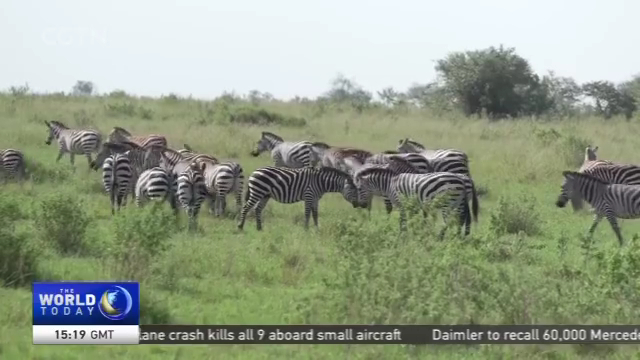
Staying in East Africa; every year from late July to August, tourists travel to Kenya and Tanzania to witness the wildebeest migration. The phenomenon has been described as one of the seven modern wonders of the world. CGTN's Wilkister Nyabwa has more.
The Maasai Mara is breath-taking in the rainy season. The grass is green and lush. Predators and prey alike prowl the fields of green. On the land and in the rivers, the animals revel in the weather -- they are playful, and indifferent to the stares of tourists who throng the Maasai Mara National Park. It is a beautiful time. And at the heart of it all is one of the seven wonders of the world -- the wildebeest migration from Tanzania's Serengeti national park, into Kenya's Maasai Mara.
WILKISTER NYABWA MAASAI MARA, KENYA "There's a certain organization to the way in which the wildebeest migration takes place. First come the zebras. The wildebeest will follow the very same route, across the river and into the Mara."
It is a cycle as old as time. Every year during between June and October, over 1.5 million wildebeest, gazelles and zebras instinctively set of from Tanzania.
EMMANUEL MOLAI PARK ADMINISTRATOR, MARA TRIANGLE GAME RESERVE "During the dry season when there's no rainfall in the Serengeti national reserve they come here looking for greener pasture."
They find it across the Mara River on the Kenyan side -- if they make it there. Crocodiles, lions, leopards and hyenas lie in wait and these predators kill around 300,000 wildebeest every year. Others drown in the Mara River. The wildebeest which survive and make it to the Maasai Mara must ensure the survival of their species.
EMMANUEL MOLAI PARK ADMINISTRATOR, MARA TRIANGLE GAME RESERVE "This tends to be a mating ground for the wildebeest. They come here for mating and go back to the Serengeti to give birth and raise their calves. So that has been the cycle but mostly, they come here in the month of August, on a good year, stay up to early November or end of October then go back to Tanzania."
The wildebeest know it's time to leave when the end of the year approaches and the grass on the Kenyan side dries up. Then they start the journey back across the river to Ngorongoro in Tanzania where they will give birth to the calves they conceived. When the young ones have found their feet and the grass dries up on the Tanzanian side, the wildebeest will cross back into Kenya with their young in another spectacular migration. And the annual cycle will continue. Wilkister Nyabwa, CGTN, in the Maasai Mara, Kenya.