
19:52, 08-Feb-2019
Hawker Culture: The evolving palate of Singapore's hawker scene
Updated
19:50, 11-Feb-2019
 []
[]
Share







Copied
03:28
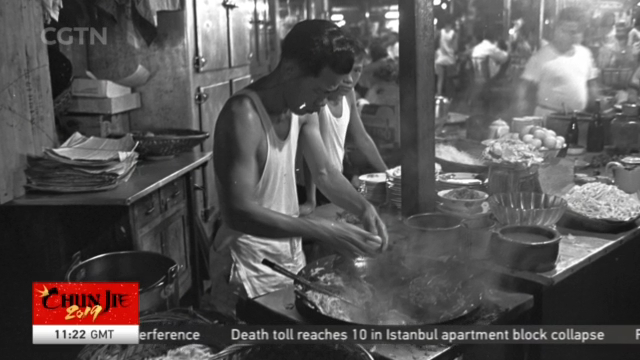
Besides the Marina Bay Sands and the Merlion, perhaps the other thing Singapore is best known for is its iconic food culture. Hawker centres are a big deal in the country, so-much-so that the government is proposing to get it on UNESCO's list of intangible heritage. CGTN's Miro Lu gets a taste of the action.
Burnt Ends is a Michelin-starred barbecue restaurant in Singapore, and David Pynt is the chef. He came to Singapore six years ago and was taken in by the allure and charm of the hawker scene in the country. Since then, he wanted to have a stall of his own. But like any good barbecue, the ingredients and timing has to be just right.
This month, the 34-year-old Australian finally opened Meatsmith Western BBQ at the famous Makansutra Gluttons Bay Hawker Centre.
DAVID PYNT, OWNER BURNT ENDS "It's the heart and soul of Singapore, right? It's the biggest thing, when you come to Singapore, you've got this absolute melting pot of all these different cultures from all around Southeast Asia, and all around the world, that have sort of combined to come in here and form innovative new dishes, and also a lot of historic dishes from their own cultures. And to be a part of that is something that is pretty incredible."
The hawker culture in Singapore is no stranger to stardom. In 2017, a chicken rice stall in the city-state became the first hawker to be awarded a Michelin star. The hawker culture also found international stage last year on the Hollywood film Crazy Rich Asians.
Street hawker has been a common sight in Singapore for over 200 years. Plying the streets with their pushcarts, providing the people with quick and affordable meals, street hawking was a popular occupation for the first wave of immigrants. Around the 1960s, authorities decided to gather roving street hawkers into hubs with proper sanitation and amenities. The first Hawker Centres were born.
Hawker food became an essential part of the country's culture. At the beginning, it represented a melting pot of the four races in Singapore with stalls selling Malay, Chinese, Indian, and Eurasian food. But like Singapore, the hawker centres have evolved into a more international spread. It is common to find food from other countries like Vietnam, Thailand, China, or Japan - the new wave of immigrants.
Even hipster stalls that sell craft beer are frothing with customers. Opened in 2015, 3rd Culture Brewing is one of the few craft beer hawker stalls in Singapore. The Singaporean owners say that the hawker scene is starting to welcome new flavours.
MANBEER, CO-FOUNDER 3RD CULTURE BREWING "There's been a lot of changes in the last few years. For a while it's been hard to get young people to start businesses in the hawker centres. I think that is becoming more attractive now. The crowd has changed a lot also. When I was young, it was mostly uncles and aunties, mostly local. Now you see a lot of foreigners because Singapore's known for food."
MIRO LU SINGAPORE "It's obvious that more things are brewing in the lion city's hawker scene, and it's not surprising why. The hawker culture, which is a unique blend of the country's immigration policy and the people's love for food is baked into the nation's identity. All these factors would play a key role in the republic's UNESCO bid in the coming months. Miro Lu, CGTN, Singapore."