
Culture
10:11, 16-Apr-2018
Talented migrants find meaningful life and work in south China island province
 ["china"]
Share







Copied
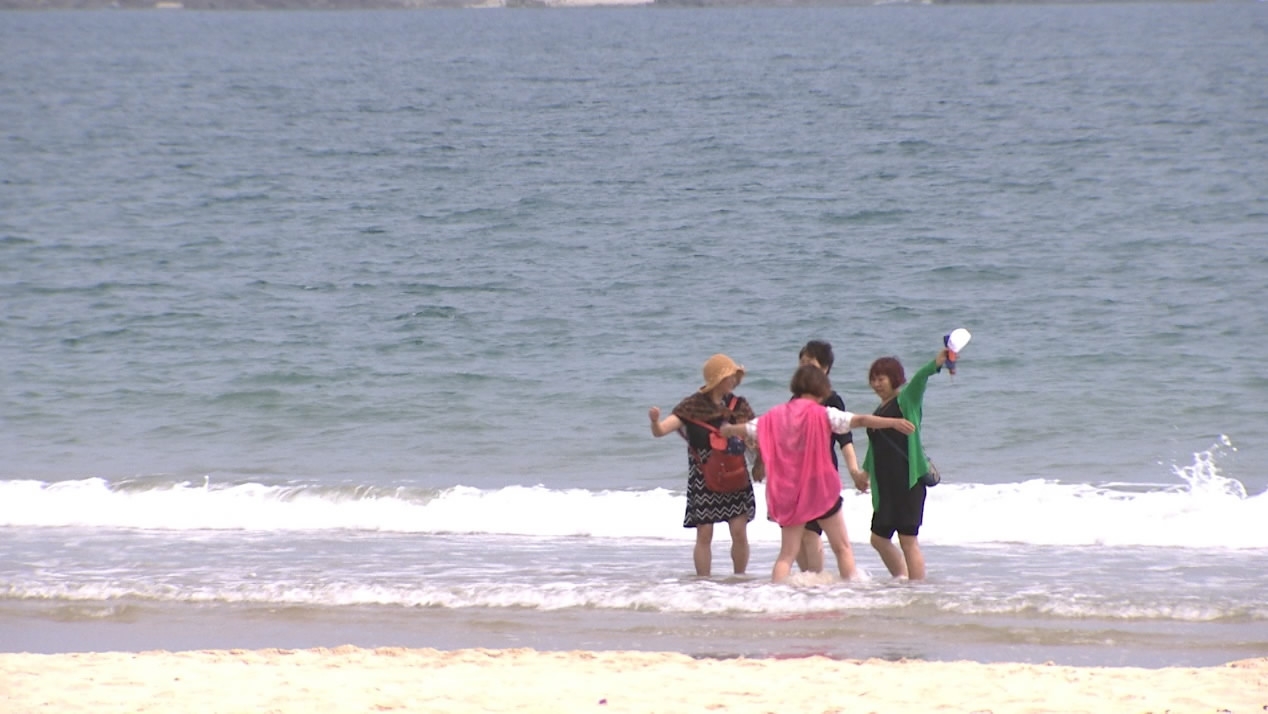
Hainan's sunny weather and spectacular ocean views have been attracting an increasing number of migrant workers from across the country. Statistics suggest that over a million retirees, sometimes nicknamed "snowbird pensioners", relocate to this southern Chinese province each year.
Just like snowbirds, they travel to Hainan Island to escape the frigid winter of the north and enjoy its pleasant natural beauty.
Recently these “migratory birds” have ruffled the feathers of some local residents. With population inflows come the complaints that newcomers strain local resources, pushing up food and property prices.
Wang Xiaozu, a 76-year-old retired designer, moves to Hainan’s Nanqiang village every December through May. As a member of an amateur fine arts association with over 60 senior citizens from all over China, Wang spends his time travelling around, reading literature and practicing his painting skills. He said he is in love with this place.
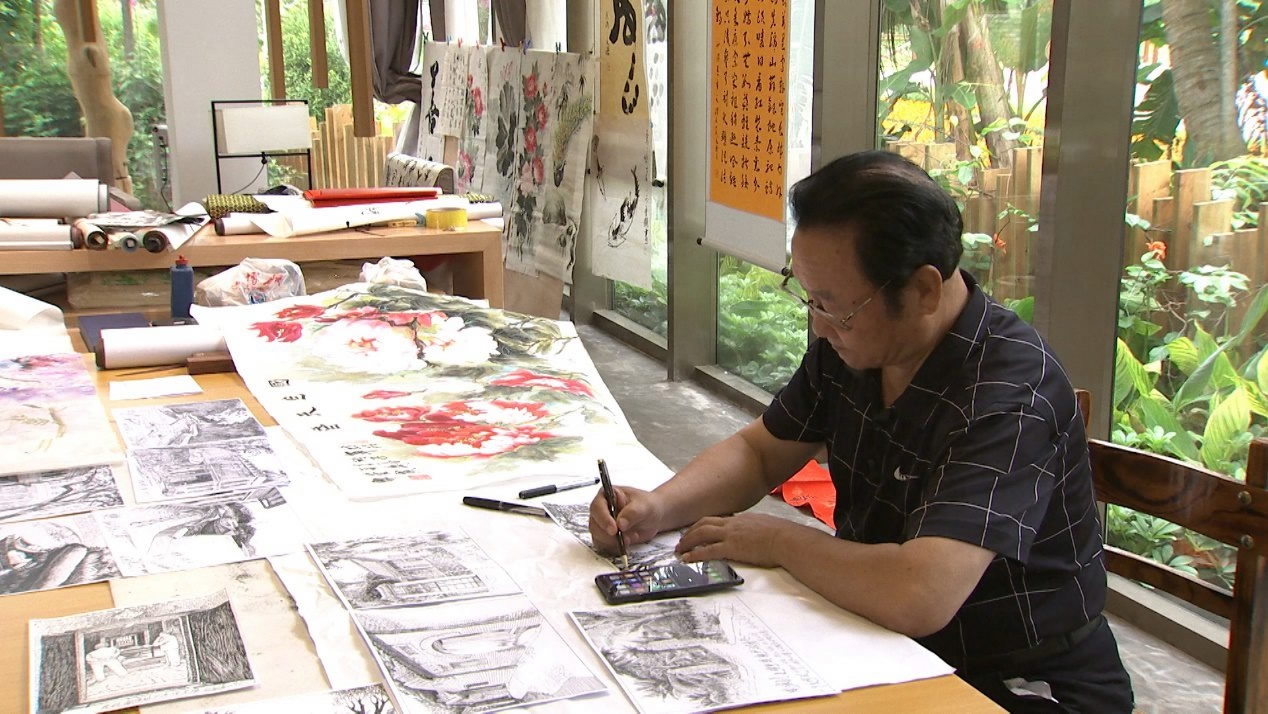
Wang Xiaozu practices painting. /By Gao Boyuan, CGTN Photo
Wang Xiaozu practices painting. /By Gao Boyuan, CGTN Photo
Ge Qinggui, the organizer of the arts society, is one of those who don’t consider themselves as trouble-making migrants. Instead, he believes the influx of seasonal visitors invigorates the island. “We wrote Spring Festival couplets for villagers and became closer to each other,” he said. “Through calligraphy, paintings, music and dance, Nanqiang residents can build a prosperous and beautiful village.” He also told us that the migrant pensioners here are teaching some local youths proper handwriting.
Hainan's local government also sees potential that migrant workers could be a way to make up for a weak cultural environment and talent pool. Officials have proposed a relevant program to make the most of migrant experts and professionals in the interest of regional development.
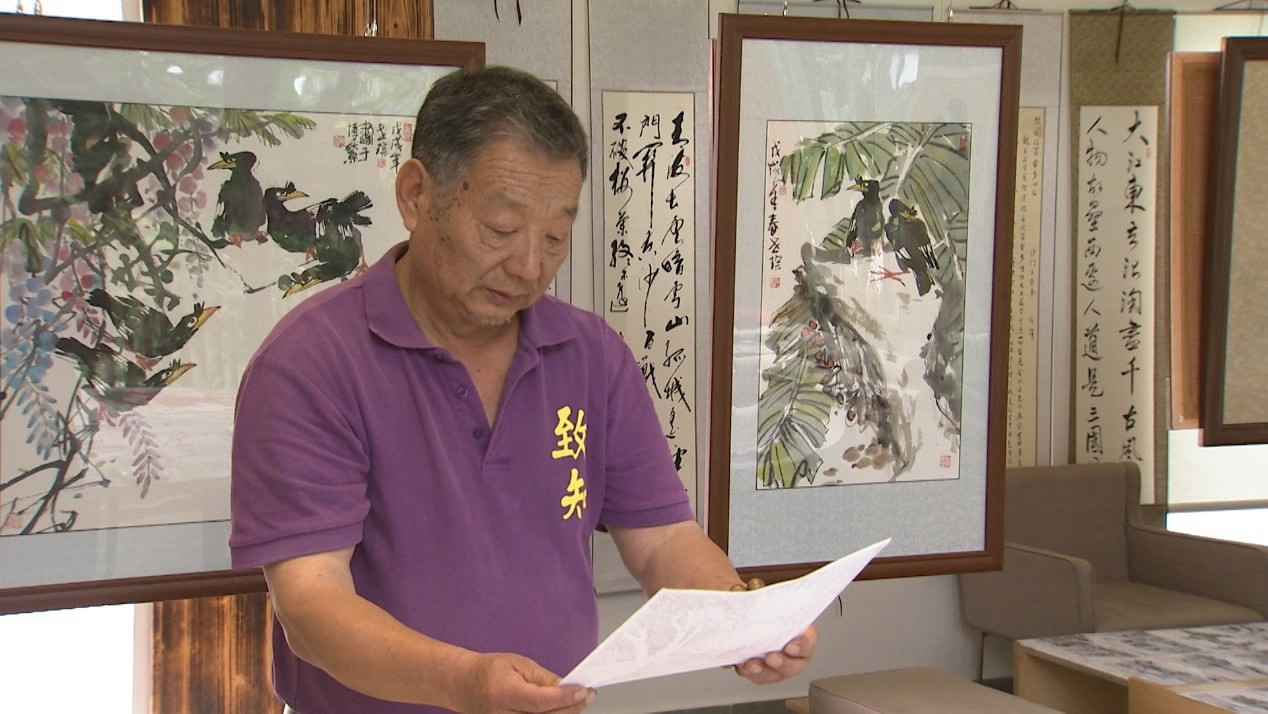
Ge Qinggui in an art exhibition venue at Nanqiang village /By Gao Boyuan, CGTN Photo
Ge Qinggui in an art exhibition venue at Nanqiang village /By Gao Boyuan, CGTN Photo
Renowned Chinese agricultural scientist Yuan Longping is a Hainan snowbird. He found a species of wild rice in Hainan that led to the mass production of a heartier type of hybrid rice in the 1970s. Today he still visits a research center in Sanya that was named in his honor, and looks in on the latest rice experiments.
Dai Guofu, general manager of the national rice theme park, admits that migrants in Hainan are a human resources treasure as they have rich experience in all walks of life, varying from leadership to research. Dai said there's meaningful work in helping retirees settle, keeping them happy and letting them continue making contributions. Retaining these professionals still requires a longer-term solution.
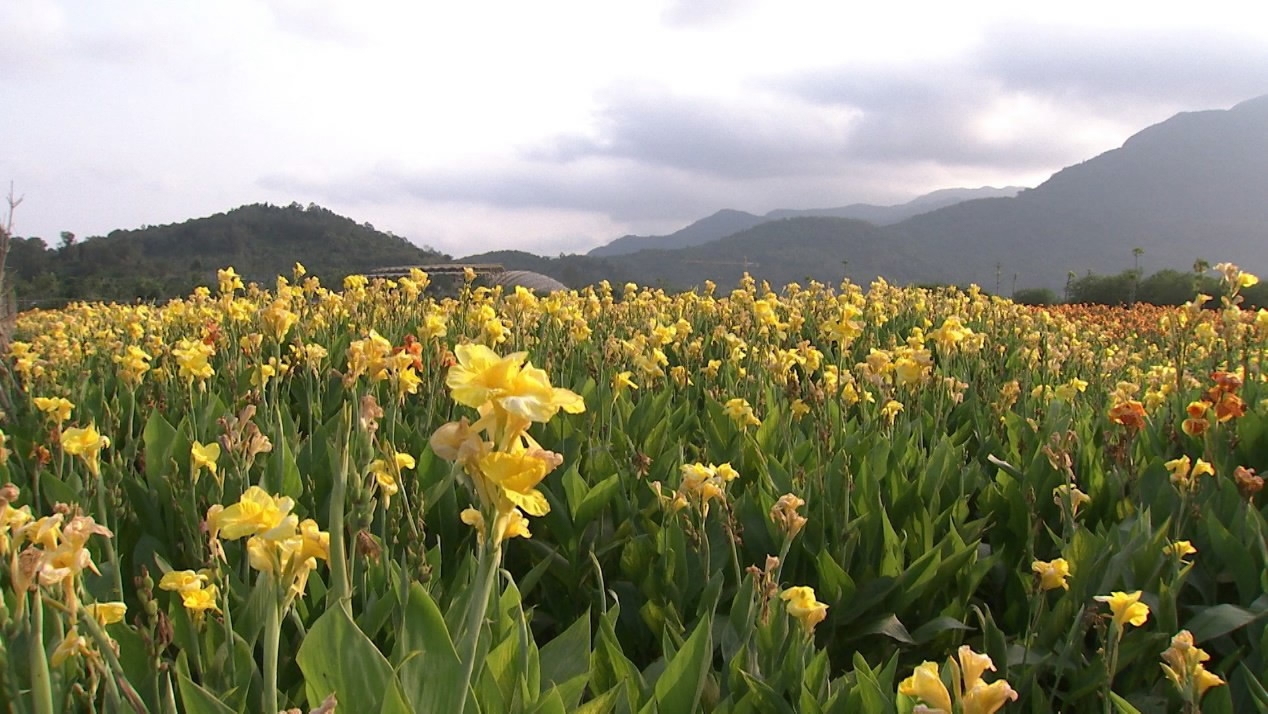
Flowers in a national rice theme park in Sanya. /By Gao Boyuan, CGTN Photo
Flowers in a national rice theme park in Sanya. /By Gao Boyuan, CGTN Photo
At Wanning Middle School in Hainan’s Wanning City, geography teacher Pan Sibao said the authorities takes good care of him as a migrant professional.
He is satisfied with the incentives and favorable policies, and gave an example. “After I have worked here for three years, our headmaster told me he would apply to get me an affordable apartment to live a peaceful life in my old age,” said Pan.
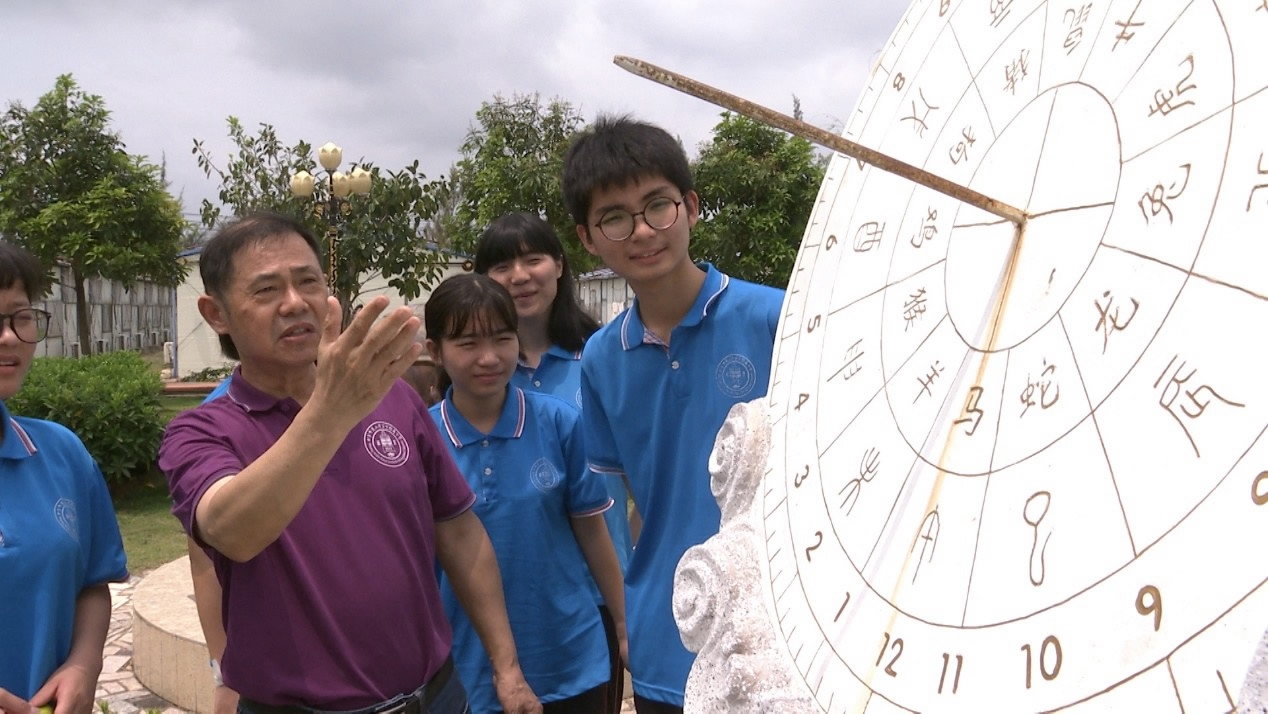
Pan Sibao, teacher of Wanning Middle School in Hainan, speaks to students. /By Gao Boyuan, CGTN Photo
Pan Sibao, teacher of Wanning Middle School in Hainan, speaks to students. /By Gao Boyuan, CGTN Photo
Pan Sibao was drawn to Hainan by its unique geomorphic features and then got re-employed here. But Pan feels that what really motivates him is a sense of accomplishment. He said that the educational foundation of Wanning students is relatively weak, but these students are highly motivated and can follow teachers. As a teacher, Pan said he is pleased and impassioned to work when he sees students so eager to learn, and for a school that entrusts him with major responsibilities. “Teachers here come from all over the country and have their own strengths that I can learn from,” he added.
The efforts of a growing number of migrants like Pan serve as a sort of incubator in Hainan which gives birth to new talents for the area. And people here believe the cold winter of its talent shortage will be over in the foreseeable future.