
5G
21:30, 30-Jan-2018
Trump team's idea to nationalize 5G network to counter China is rejected
 ["china"]
Share







Copied
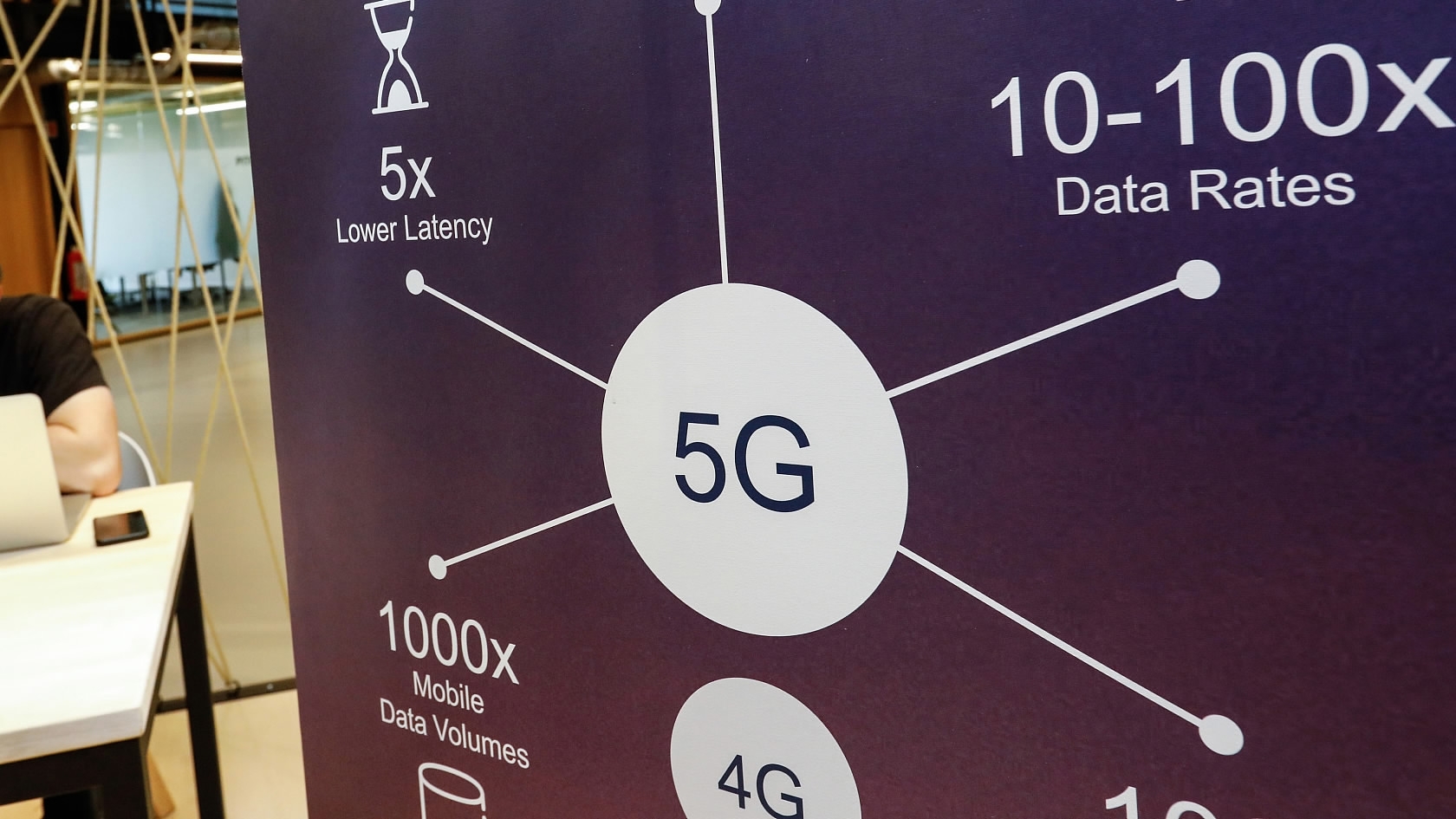
The top US communications regulator, wireless companies and some lawmakers oppose an idea by members of US President Donald Trump’s national security team for the government to build a 5G wireless network to counter China.
The option of a nationalized 5G network was being discussed by Trump’s national security team, an administration official said on Sunday.
White House spokeswoman Sarah Sanders said on Monday that discussions were at “the very earliest stages” to ensure a “secure network,” and “absolutely no decisions” have been made.
The government has blocked a string of Chinese acquisitions over "national security concerns" and the 5G network concept is aimed at addressing what officials see as China’s threat to US cybersecurity and economic security.
But the option was rejected by several of those who would have a say.
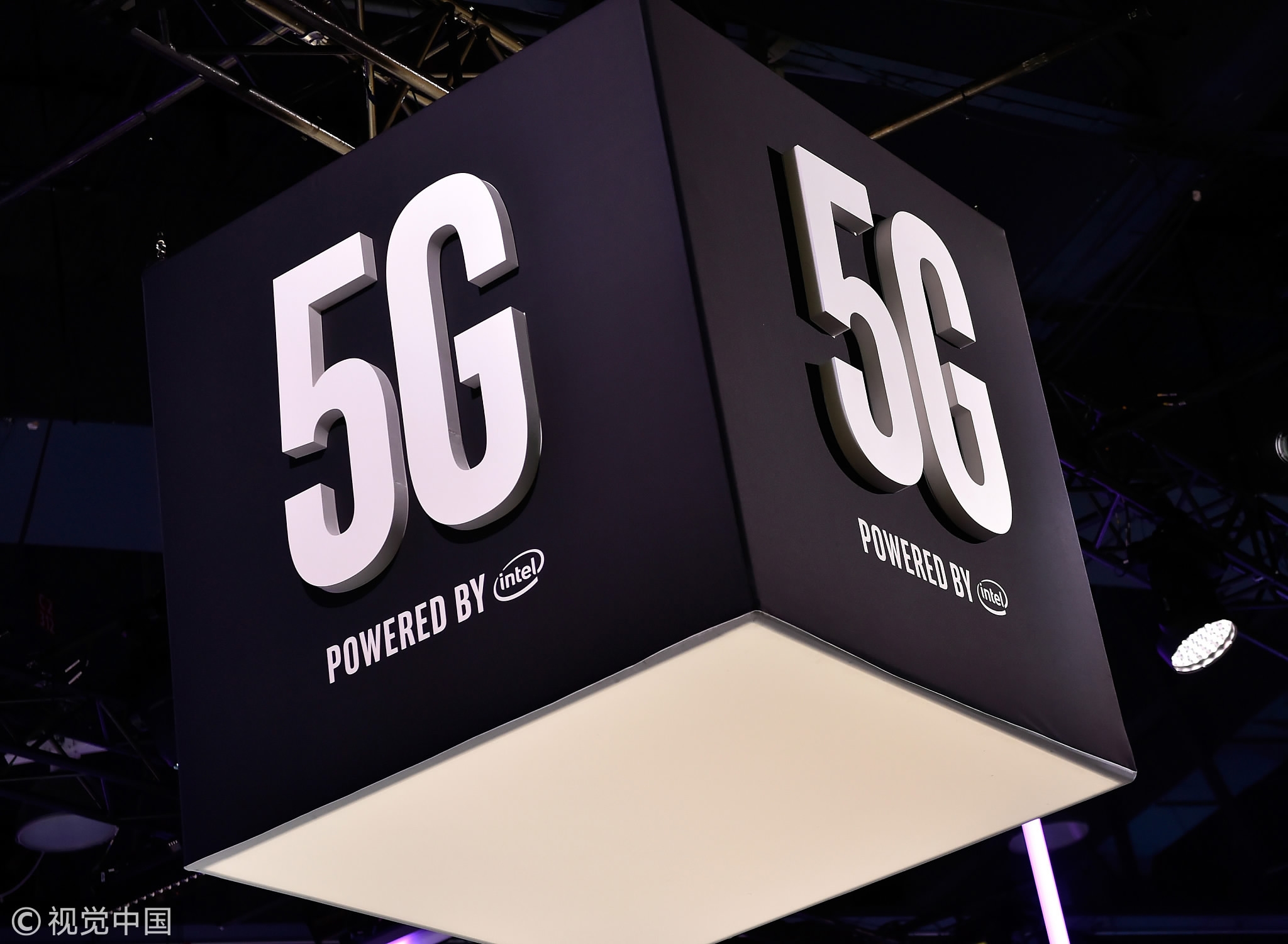
Signage for 5G technology is displayed at the Intel booth during CES 2018 at the Las Vegas Convention Center. /VCG Photo
Signage for 5G technology is displayed at the Intel booth during CES 2018 at the Las Vegas Convention Center. /VCG Photo
“Any federal effort to construct a nationalized 5G network would be a costly and counterproductive distraction from the policies we need to help the United States win the 5G future,” Federal Communications Commission (FCC) Chairman Ajit Pai, a Republican appointed by Trump, said in a statement on Monday.
CTIA, the trade group that represents AT&T, Verizon, Apple, Sprint and others, said in a statement on Monday that the “government should pursue the free market policies that enabled the US wireless industry to win the race to 4G.”
Carriers have already spent billions of dollars acquiring spectrum and beginning to develop and test 5G networks, which are expected to be at least 100 times faster than current 4G networks, the FCC said.
The more responsive networks could allow, for example, for real-time remote operations such as medical procedures and running large machines.
The primary suppliers for the 5G networks in the United States are expected to be firms such as Nokia and Ericsson, with networking firms such as Juniper Networks, Cisco Systems and Qualcomm supplying chips and back-end equipment. It was unclear whether the option discussed would involve working with those companies.
5G technology./VCG Photo
5G technology./VCG Photo
Any 5G nationalization plan would likely cost hundreds of billions of dollars, wireless carriers said.
The administration official who spoke to Reuters confirmed the gist of the Axios report and said the option was being debated at a low level in the administration and was six to eight months away from being considered by the president.
“This has been building for months. I don’t think the White House options papers do justice to the issue. It goes much deeper,” said Michael Wessel, a commissioner on the US-China Economic and Security Review Commission, which works for Congress and follows China issues.
Apart from FCC chairman Pai, three of remaining four FCC commissioners also said on Monday that they opposed nationalizing the 5G network, while the fourth expressed skepticism.
Source(s): Reuters