
10:49, 20-Jul-2019
War on Hate Speech: UN seeks to tackle increasing xenophobia, hate speech worldwide
Updated
11:27, 20-Jul-2019

Share






Copied
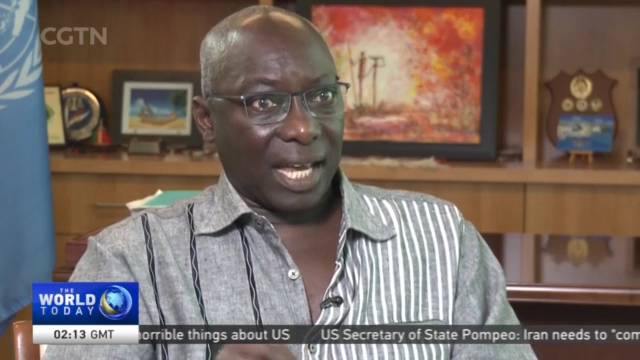
Meanwhile, alarmed by increasing xenophobia and hate speech around the world, the United Nations has launched an ambitious plan to tackle the issue head on. And the man leading the fight is Adama Dieng, the UN Secretary General's Special Advisor on the Prevention of Genocide. Our UN correspondent Liling Tan sat down with Dieng, who explains why it's important to take action now. Please be aware that some viewers may find the following images disturbing.
The past year has seen deadly, hate-inspired attacks around the world from the Pittsburgh synagogue shooting to the mosque attacks in New Zealand, to the Easter Sunday bombings in Sri Lanka. The United Nations says enough is enough.
ADAMA DIENG UN SPECIAL ADVISOR ON THE PREVENTION OF GENOCIDE "It is extremely important to bear attention to the fact that we are witnessing today, a rise of anti-semitism, of racism. We are seeing refugees, migrants being vilified and humiliated. When we see today the rise of Neo-Nazi groups, when we see extreme right-wing groups in many parts of the world and particularly in the western world, we need to be very vigilant. We should not forget that what happened in Europe in the forties with the Holocaust, it did not start with the gas chambers, it did not start with the bombs. It started with words. And we have to remember that in 1994, the genocide in Rwanda did not start with the machetes. It started long before at a time when the Tutsis were being named 'cockroaches' were being named after animals' names. So therefore, we have to realise that hate speech can lead to hate crimes, hate speech can lead to genocide, to crimes against humanity, etc."
Here in the United States, critics are accusing President Donald Trump of racism, for inciting hate through his handling of the border crisis, and for his attacks on minority congresswomen, including Somalia-born American Ilhan Omar.
LILING TAN CGTN CORRESPONDENT "What do you make of U.S. President Donald Trump's comments recently to the four minority congresswomen telling them to 'go back' to their home countries?"
ADAMA DIENG UN SPECIAL ADVISOR ON THE PREVENTION OF GENOCIDE "I would simply say that diversity is a richness. Diversity is not a threat. And the United States if it is today one of the most powerful countries, it is thanks to the diversity in this country."
LILING TAN CGTN CORRESPONDENT "Where do you draw the line though, between condemning hate speech and protecting freedom of speech?"
ADAMA DIENG UN SPECIAL ADVISOR ON THE PREVENTION OF GENOCIDE "Addressing hate speech does not mean limiting or prohibiting freedom of speech. It means keeping hate speech from escalating into something more dangerous, particularly incitement to discrimination to violence, or incitement to genocide, which is prohibited under international law."
To tackle this, the UN is harnessing the power of its key agencies and global partners to monitor and analyze hate speech as well as address its root causes. But perhaps one of the most ambitious goals under its action plan is to prevent and combat the spread of hate speech on social media. Liling Tan, CGTN, at the United Nations in New York.