
11:08, 25-Apr-2019
Huawei in UK: UK tentatively allows Huawei limited access to 5G network
Updated
11:00, 28-Apr-2019
 []
[]
Share







Copied
02:02
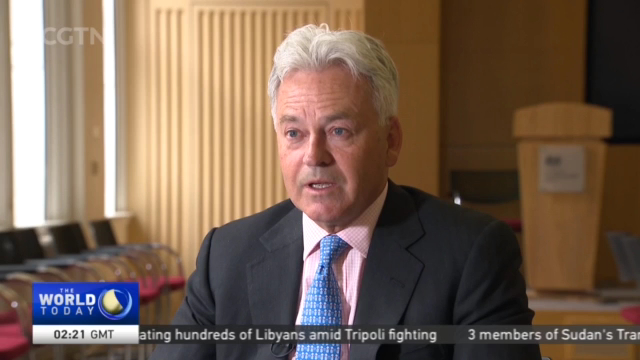
A big win for Chinese telecom giant Huawei. The British government is tentatively agreeing to allow it to supply some equipment for the UK's 5G network. The move comes despite pressure from the United States. It's trying to get other nations to bar the company from communications infrastructure. CGTN's Jamie Owen has the latest.
The UK's national security council which is chaired by the Prime Minister is said to have agreed to allow Huawei limited access to help build parts of the UK's 5G network such as antennas, and what they describe as 'non-core infrastructure'.
A spokesperson for the company said: "While we await a formal government announcement, we will continue work cooperatively with the government, the industry and their evidence-based approach to network security."
I've been speaking to one of the UK government's most senior ministers, Sir Alan Duncan, to find out more about the decision.
ALAN DUNCAN UK MINISTER FOR EUROPE AND THE AMERICAS "We welcome foreign investment in the U.K. in all areas. When it comes to telecoms we have to look after our data security so we will be careful as we would with any country. So to work out which bits we're happy with and which bits we're less happy with is a proper process and that's what the national security council was looking at."
China's Ministry of Foreign Affairs has said it 'hopes that other countries will provide a fair and equitable business environment for Chinese companies.' But the British government's qualified decision to proceed with Huawei's involvement in the 5G network in the UK could cause concern among its allies - in particular the United States. Washington has pressured fellow members of the so-called Five Eyes intelligence group - the UK, Australia, Canada and New Zealand - to follow its lead and block Huawei's participation in the 5G rollout. Jamie Owen, CGTN, London.