
Opinions
22:43, 27-Feb-2018
Opinion: Berlinale shows bright future for Chinese films
 ["china"]
Share







Copied

Berlin International Film Festival has been a favorite stomping ground of Chinese film makers ever since Zhang Yimou won its Golden Bear prize in 1988.
Over three decades, we have got used to seeing Chinese films honored in Berlin. The festival, also known as Berlinale, is famous for its selection of social political films, a genre which has been on the decline in China in recent years.
Perhaps it’s not all that surprising then that no Chinese films were entered in the Berlinale competition section this year. None! Is this the shape of things to come? Maybe, but not exactly.
No one has the absolute definition of a great film, not even the top film festivals, and a new generation of Chinese directors has enriched Berlinale.
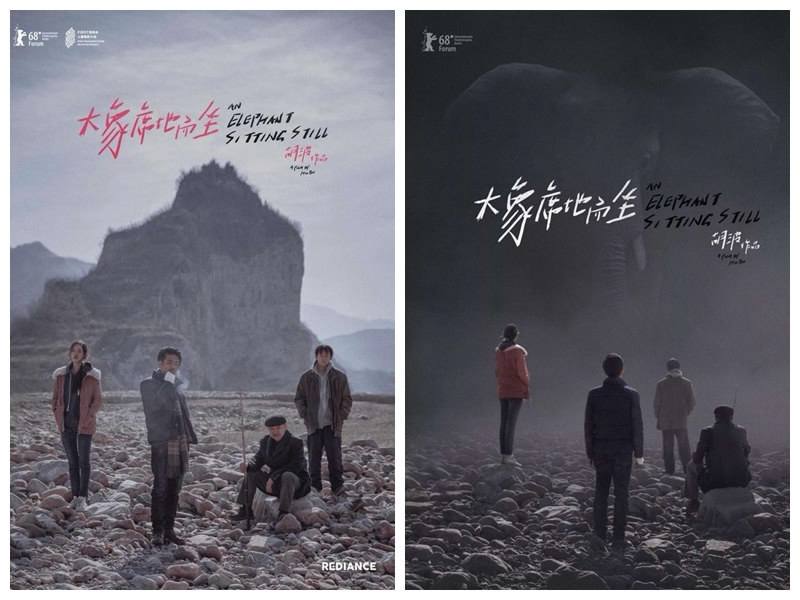
Posters for "An Elephant Sitting Still". /Goldposter Photo
Posters for "An Elephant Sitting Still". /Goldposter Photo
Over the last five years, the discovery of new talent from China in the Forum and other sections dedicated to youth has been just as exciting as the competition programming. This time, the international press and critics were astonished by debut films from China: “Wangdrak's Rain Boots” by Lhapal Gyal from Tibet, and “An Elephant Sitting Still” by Hu Bo, which won the FIPRESCI prize after Hu took his own life at the age of 29.
“Girls Always Happy” by Yang Mingming was nominated for the best debut film prize, and “Tropical Memories” by Wen Ship won the VFF Talent Highlight Award. Meanwhile, the box-office hit “Monster Hunt 2” was invited to have a magical premiere in Berlin.
The recognition of these fascinating works augurs well for more independent and original talent coming from China in next years. That’s exactly what A-list international film festivals compete to do – invite the best auteurs irrespective of their nationalities.
The other function of film festivals is commercial cooperation and development of the film industry. The director of Berlinale’s European film market Matthijs Wouter Knol was struck by welcoming so few film buyers from the US and streaming giants like Netflix this year, but he was pleasantly surprised to see a record number of Chinese buyers.
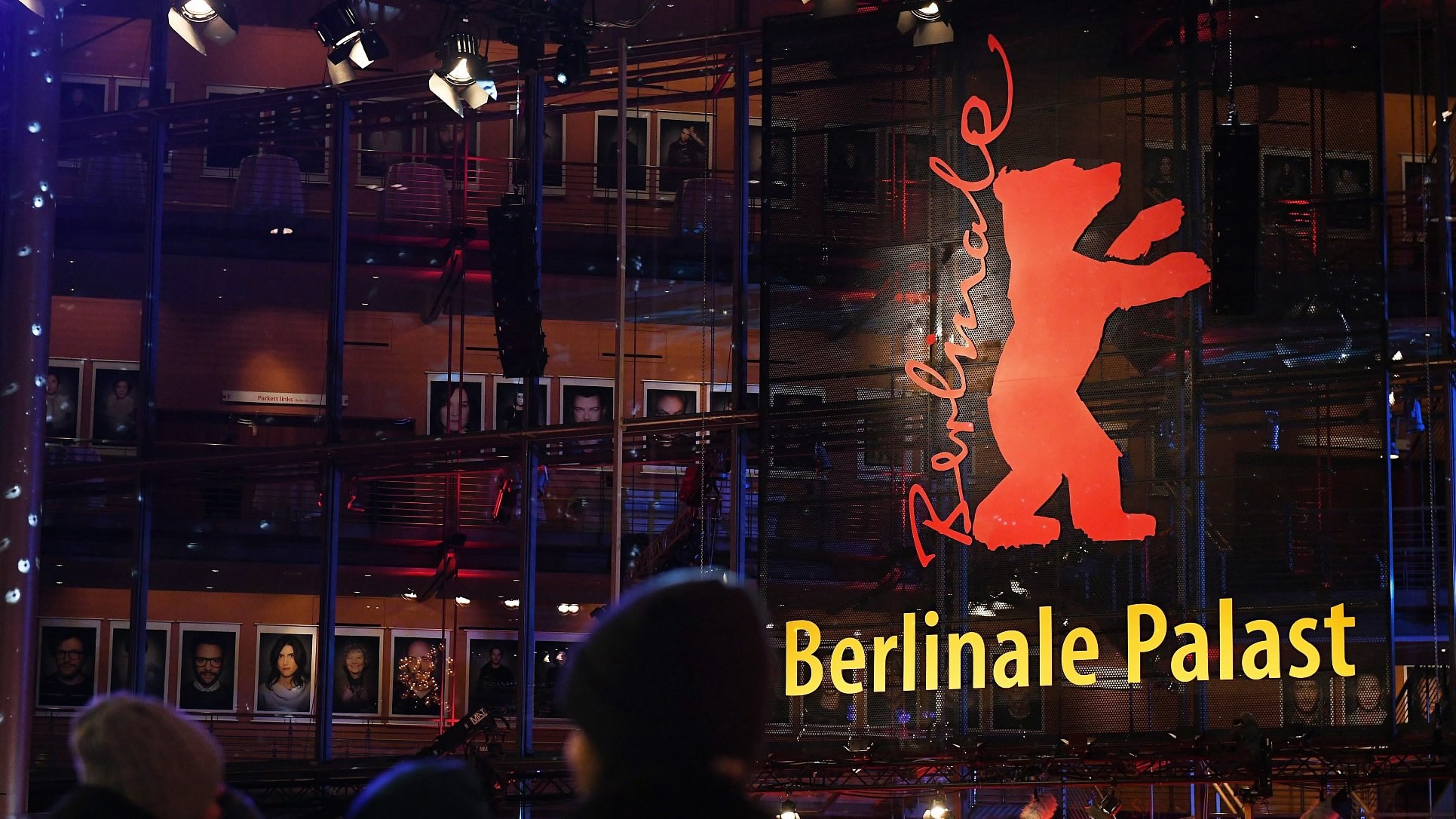
The 68th Berlin International Film Festival at the Berlinale Palast in Berlin, Germany, February 24, 2018. /VCG Photo
The 68th Berlin International Film Festival at the Berlinale Palast in Berlin, Germany, February 24, 2018. /VCG Photo
Jiao Hongfen, president of China Film Group Corporation, and Miao Xiaotian, general manager of China Film Co-production Corporation, visited Berlinale and German administrations for official co-production agreements between China and Germany.
For directors worldwide, networking is a survival skill in this extremely unstable art world. Every film maker should find his own balance between artistic creativity and commercial success. The two things are not mutually exclusive, but they seldom appear at the same time. In China, the film market is growing phenomenally quickly, and an individual’s creativity is likely to be lost in the borderless fog.
Nevertheless, the miracle of box office and festival awards can still happen with the will of director, professional investors and PR/distribution teams and finally good luck, like with the 2014 Golden Bear winner “Black Coal, Thin Ice” by Diao Yinan.
There is a famous but cynical saying from film festival professionals: A young director’s second film after an award is the most difficult of their career. They will face a lot of choices, but must first discover themselves in order to be free.
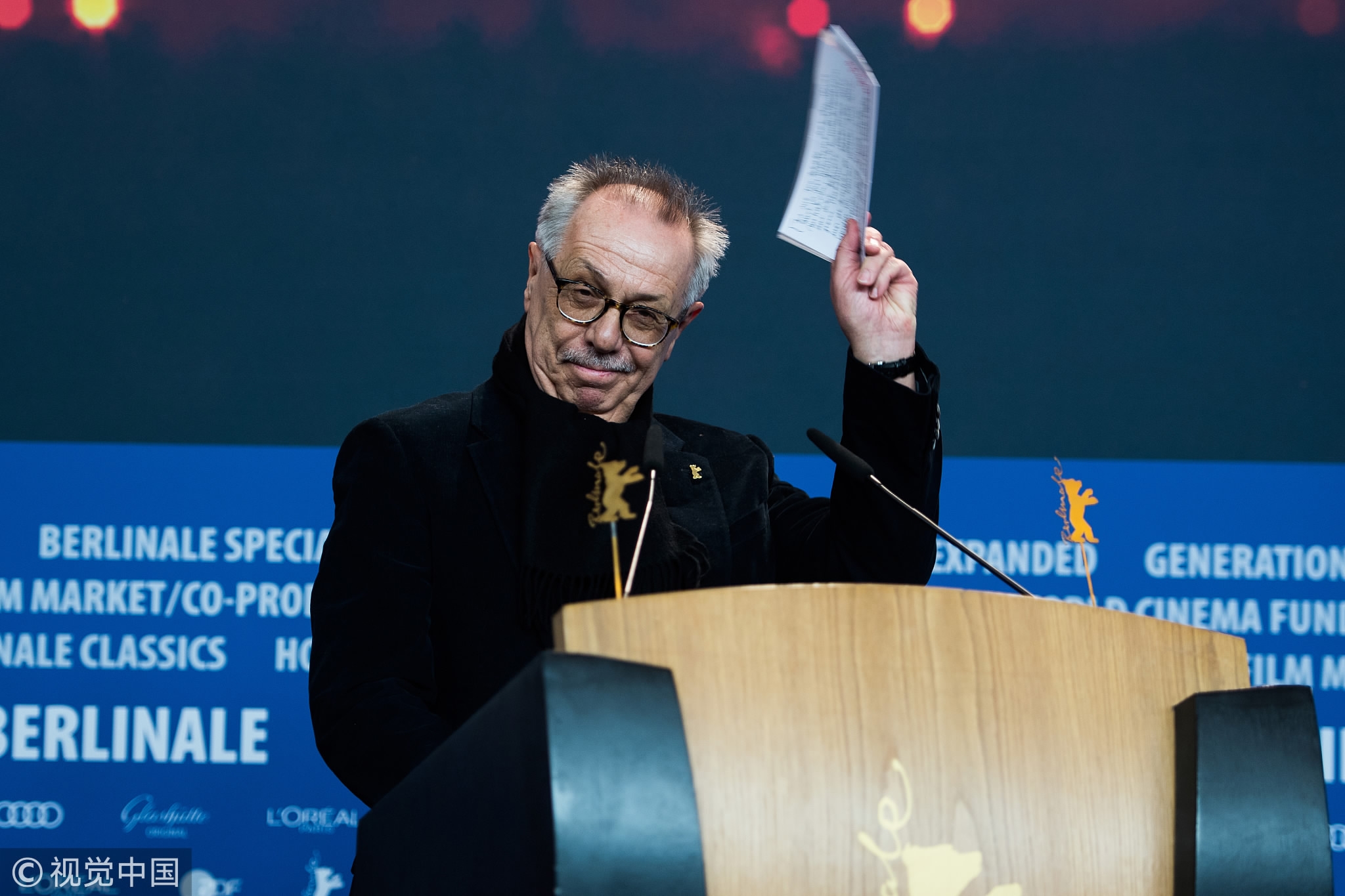
Festival director Dieter Kosslick attends the Awards of the Independent Juries press conference during the 68th Berlin International Film Festival at Grand Hyatt Hotel, in Berlin, Germany, February 24, 2018. /VCG Photo
Festival director Dieter Kosslick attends the Awards of the Independent Juries press conference during the 68th Berlin International Film Festival at Grand Hyatt Hotel, in Berlin, Germany, February 24, 2018. /VCG Photo
The 2019 Berlinale will be the last for Dieter Kosslick, who has held the festival’s director position since 2001 and made Berlin the most public film festival in the world. Mr. Kosslick has launched new sections and initiatives, notably "Perspektive Deutsches Kino" for young German film makers, the Co-Production Market and the World Cinema Fund as well as the Culinary Cinema series, operating since 2007.
There was impressive interest from both trade professionals and the public in the 68th Berlinale: Over 21,000 accredited visitors from more than 130 countries attended, and approximately 330,000 tickets were sold.
Could Kosslick’s final reforms for 2019 appease the 79 German film makers who jointly wrote an open letter calling for a “new start” for the festival after he goes? Which Chinese names will be on the red carpets of Berlin next year? One thing is certain: Movies represent the magical side of a turbulent real world, still crossing borders and time 120 years after the creation of cinematography.
(Cui Qiao is the president of Beijing Contemporary Art Foundation and an adviser for China film selection of Berlin International Film Festival (2001-2006). The article reflects the author's opinion, and not necessarily the views of CGTN.)