- Home
- China
- World
- Europe
- Politics
- Business
- Opinions
- Tech & Sci
- Culture
- Sports
- Travel
- Nature
- Picture
- Video
- Live
- TV
- Specials


Share







Copied
Will a pandemic accelerate adoption of meatless meat in China?
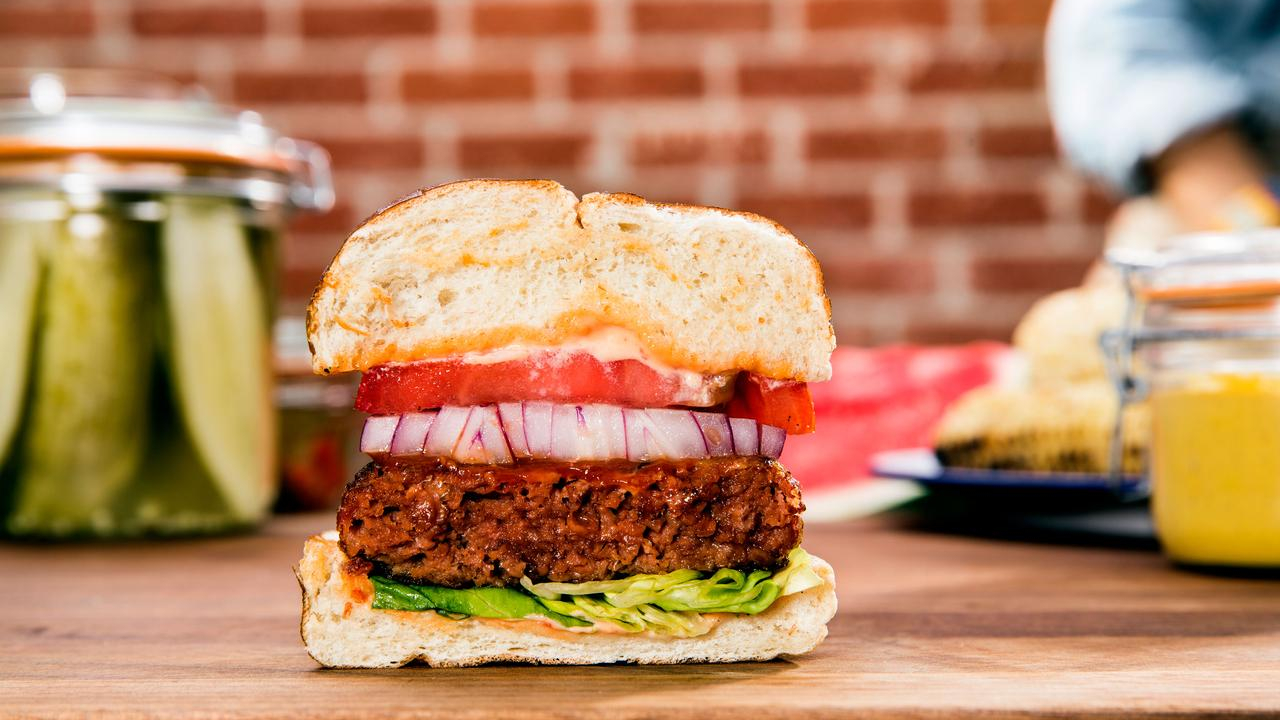
Sitting at a table in a bright Starbucks cafe in a high-rise office building, Ying gingerly sank her teeth into the new pesto pasta covered with plant-based meat. The pasta is one of three offerings from the world's largest coffee-house chain using alternative beef from Beyond Meat – a Los Angeles-based faux-meat maker of beef, chicken and pork substitutes.
As the coronavirus pandemic unfolds, concerns over meat safety prompted Ying, a meat aficionado, to take a crack at the dish. The current COVID-19 outbreak and past epidemics such as H1N1 and the African swine flu are all caused by viruses that possibly originated from animals, contributing to growing public concern regarding authentic meat.
As such, "fake meat" are two words at the center of a movement that is hitting Chinese shores. While Beyond Meat made its foray into China in over 3,300 Starbucks coffee shops, KFC China introduced fake fried chicken, and Papa John’s started offering faux meatballs on some of its pizzas.
In a country that leads in the development of renewable energy, the next step to going green seems to be an even bigger hurdle for one of the world's largest meat-consuming nations. On the surface, doing good for the environment by recycling or taking the subway instead of driving carbon-emitting vehicles seem manageable. Eating meat that's not really meat sees plenty of challenges involving doubts about its safety, industrial production and consumer habits.
Click here for more.