- Home
- China
- World
- Europe
- Politics
- Business
- Opinions
- Tech & Sci
- Culture
- Sports
- Travel
- Nature
- Picture
- Video
- Live
- TV
- Specials


Share







Copied
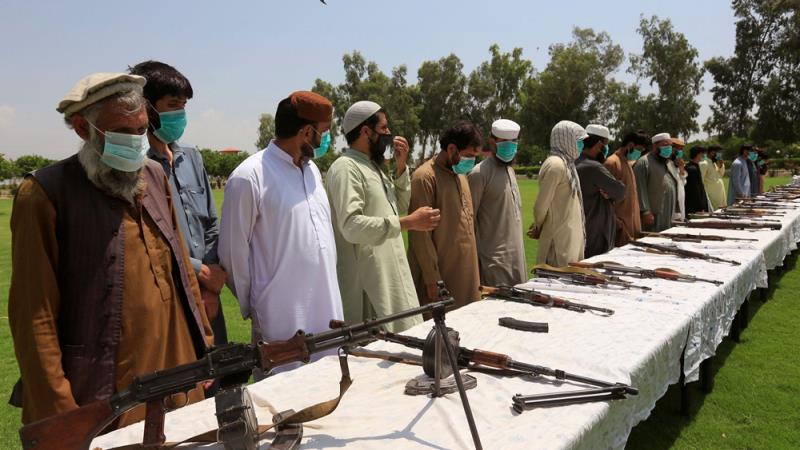
Afghan peace talks are expected to begin within days after President Ashraf Ghani signed a decree on Monday to release a final batch of "hardcore" Taliban prisoners demanded by the militants.
The fate of some 400 Taliban inmates has been a crucial hurdle in launching much-delayed talks between the militants and the Afghan government, which had committed to completing a prisoner exchange before negotiations could start.
Thousands of prominent Afghans on Sunday approved their release at the end of a three-day "loya jirga" – a traditional Afghan gathering of tribal elders and other stakeholders sometimes held to decide on controversial issues.
"Our stance is clear, if the prisoner release is completed, then we are ready for the intra-Afghan talks within a week," Taliban spokesman Suhail Shaheen said, adding that the first round of talks would be held in Doha, Qatar.
"The Afghan government will start releasing the 400 Taliban prisoners within two days," National Security Council spokesman Javid Faisal said on Monday.
Ghani later issued a decree ordering the release of the 400 prisoners, his office said.
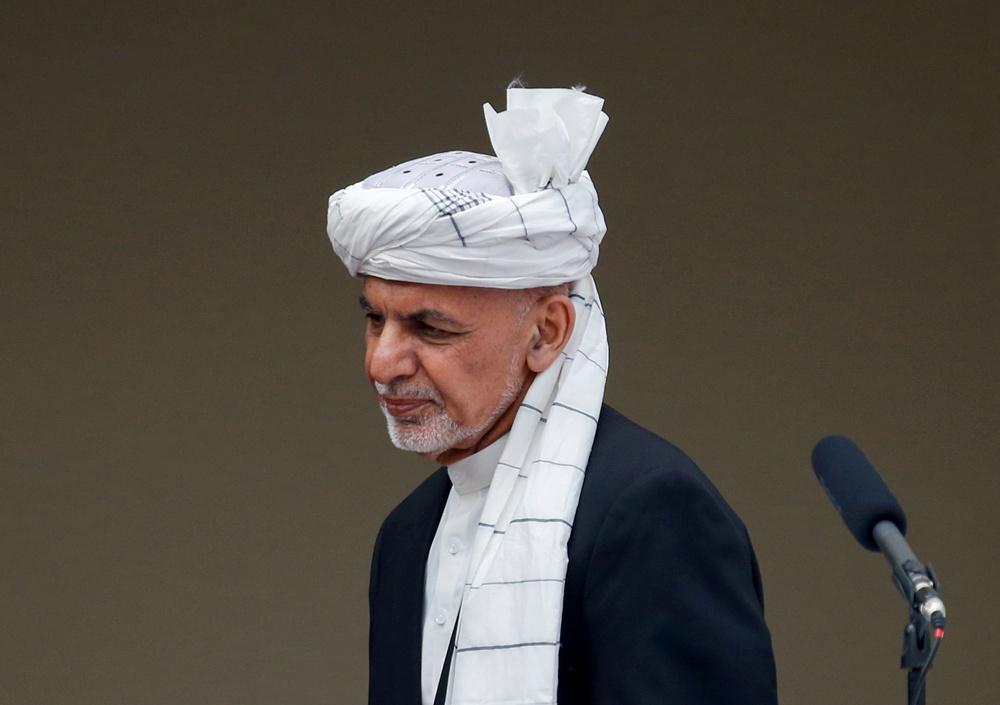
Afghan President Ashraf Ghani arrives at his inauguration in Kabul, Afghanistan, March 9, 2020. /Reuters
The prisoner exchange was a key part of a deal signed by the Taliban and the United States in February, which saw Washington agree to withdraw its troops from Afghanistan in return for a pledge from the insurgents to hold peace talks with the Kabul government.
The Taliban were ousted from power in 2001 by a U.S.-led invasion which has been followed by nearly two decades of fighting that has killed tens of thousands of people. The group previously refused to talk to the Afghan government, dismissing it as a puppet of Washington.
Read more:
A refresher of Afghanistan's wars: How did it all start?
Afghanistan's lingering quagmire, has the Trump formula worked?
U.S. special envoy Zalmay Khalilzad tweeted that "a historic opportunity for peace is now possible." NATO chief Jens Stoltenberg also said on Twitter that NATO will "support the peace process."
The Taliban had demanded the release of the last 400 of 5,000 in total as a condition for joining the peace talks. But the government had been hesitant as these prisoners were involved in some of the worst violence, including a 2017 truck bombing near the German embassy in Kabul that killed more than 150 people – the deadliest attack in the 19-year insurgency.
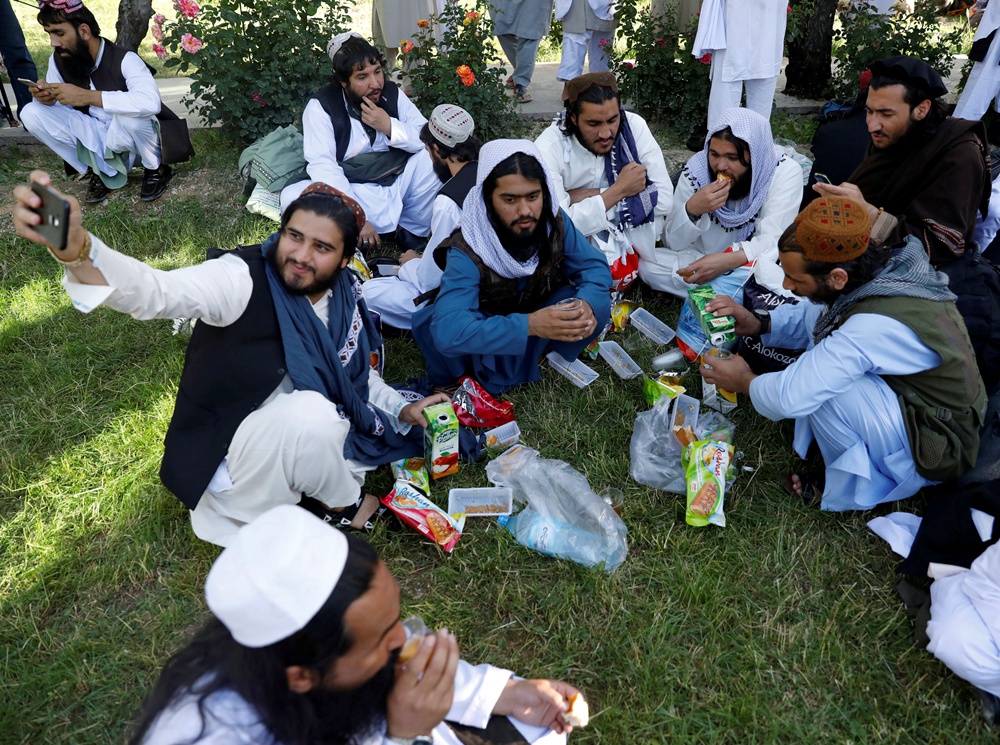
A newly freed Taliban prisoner takes a selfie as others have juice and biscuits at Pul-i-Charkhi prison, Kabul, Afghanistan, May 26, 2020. /Reuters
In its final resolution, the jirga said it had approved releasing the militants "to remove the hurdles for the start of peace talks, stopping bloodshed, and for the good of the public." The jirga urged the government to monitor the freed prisoners to ensure they did not return to the battlefield and demanded an immediate and lasting ceasefire in the country.
But the Taliban said the ceasefire should form part of the agenda during the negotiations with the Afghan government.
The Taliban and Afghan forces had observed a three-day truce during the Muslim holiday of Eid al-Adha. But since that ceasefire ended on August 2, 80 civilians were killed and 95 wounded in Taliban attacks, said the Interior Ministry.
Not all those who attended the jirga favored the release of militants. Lawmaker Belquis Roshan, a prominent women's rights activist, had protested against their release on the first day of the jirga, unfurling a banner that read: "Redeeming Taliban is national treason."
(With input from AFP, Reuters)
(Cover: Members of the Taliban handover their weapons and join in the Afghan government's reconciliation and reintegration program in Jalalabad, Afghanistan, June 25, 2020. /Reuters)