A powerful and unusually early heatwave has swept across much of Europe, sending temperatures toward or beyond 40 degrees Celsius from the Iberian Peninsula to the Balkans.
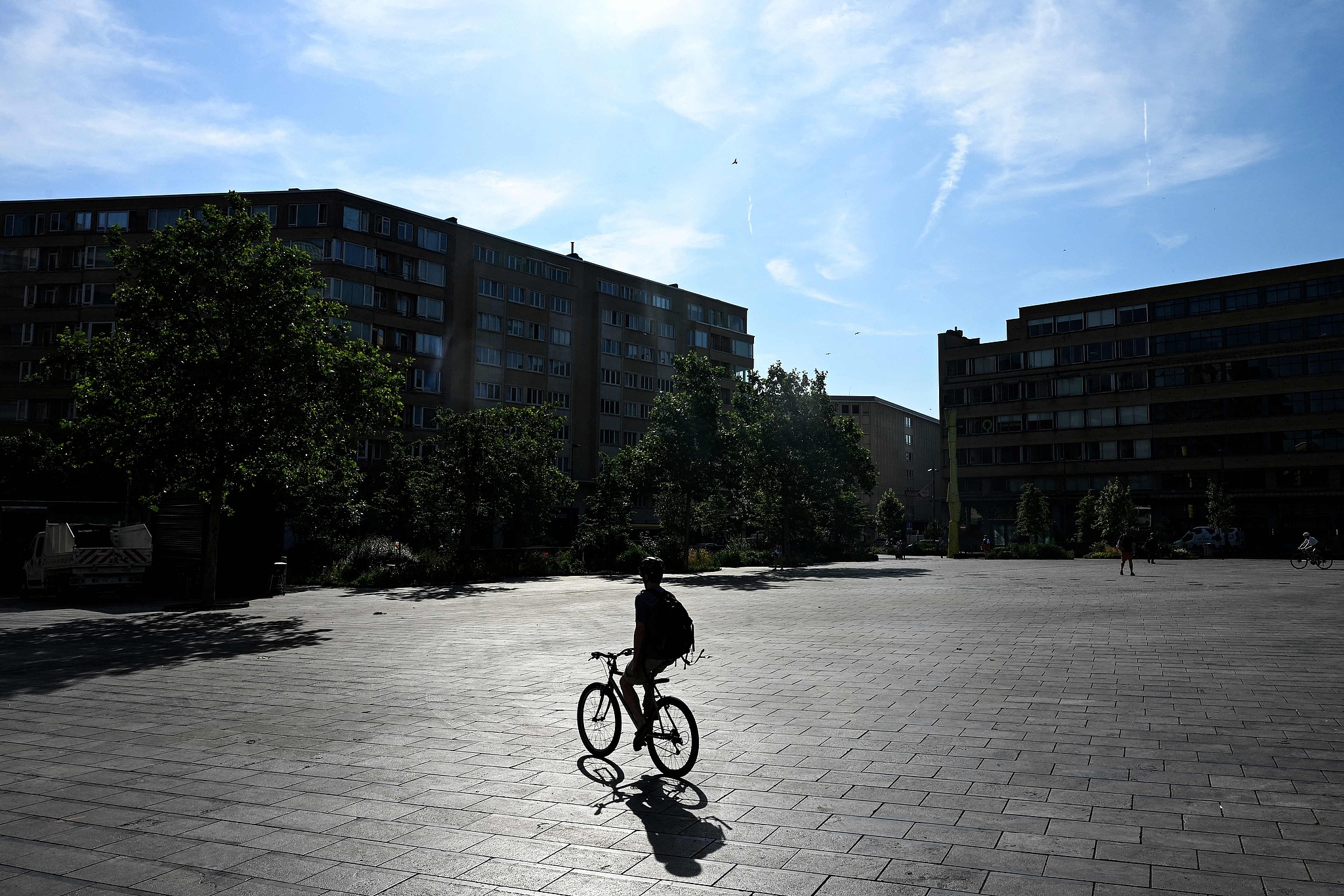
A man rides his bike across the Place Flagey square during a heatwave in Brussels, Belgium, June 22, 2026. /VCG
The grilling weather is disrupting daily life, fueling wildfire risks and prompting warnings that extreme heat is becoming a feature of the continent's climate.
Authorities across Southern and Western Europe have issued heat alerts affecting tens of millions of people.
France placed 49 departments under red alert, while Italy issued its highest-level warnings for several major cities. Temperatures in parts of Portugal, Spain and Italy have exceeded 40 degrees Celsius, while Germany and Belgium have approached long-standing June records.

Tourists walk past the Louvre Museum as a heatwave hits Paris, France, May 28, 2026. /VCG
Heat dome drives extreme conditions
Meteorologists attribute the heatwave to a powerful "heat dome" stretching across Western and Central Europe. The system has trapped hot air originating from North Africa while preventing cooler Atlantic weather systems from bringing relief.
"This phenomenon works like the lid of a saucepan: it traps the heated air and compresses it toward the ground," said David Dehenauw, a meteorologist at the Royal Meteorological Institute of Belgium.
The European Commission's Joint Research Centre forecast temperature anomalies well above seasonal norms across Western and Central Europe for the coming week, with the strongest deviations over France and the Iberian Peninsula.
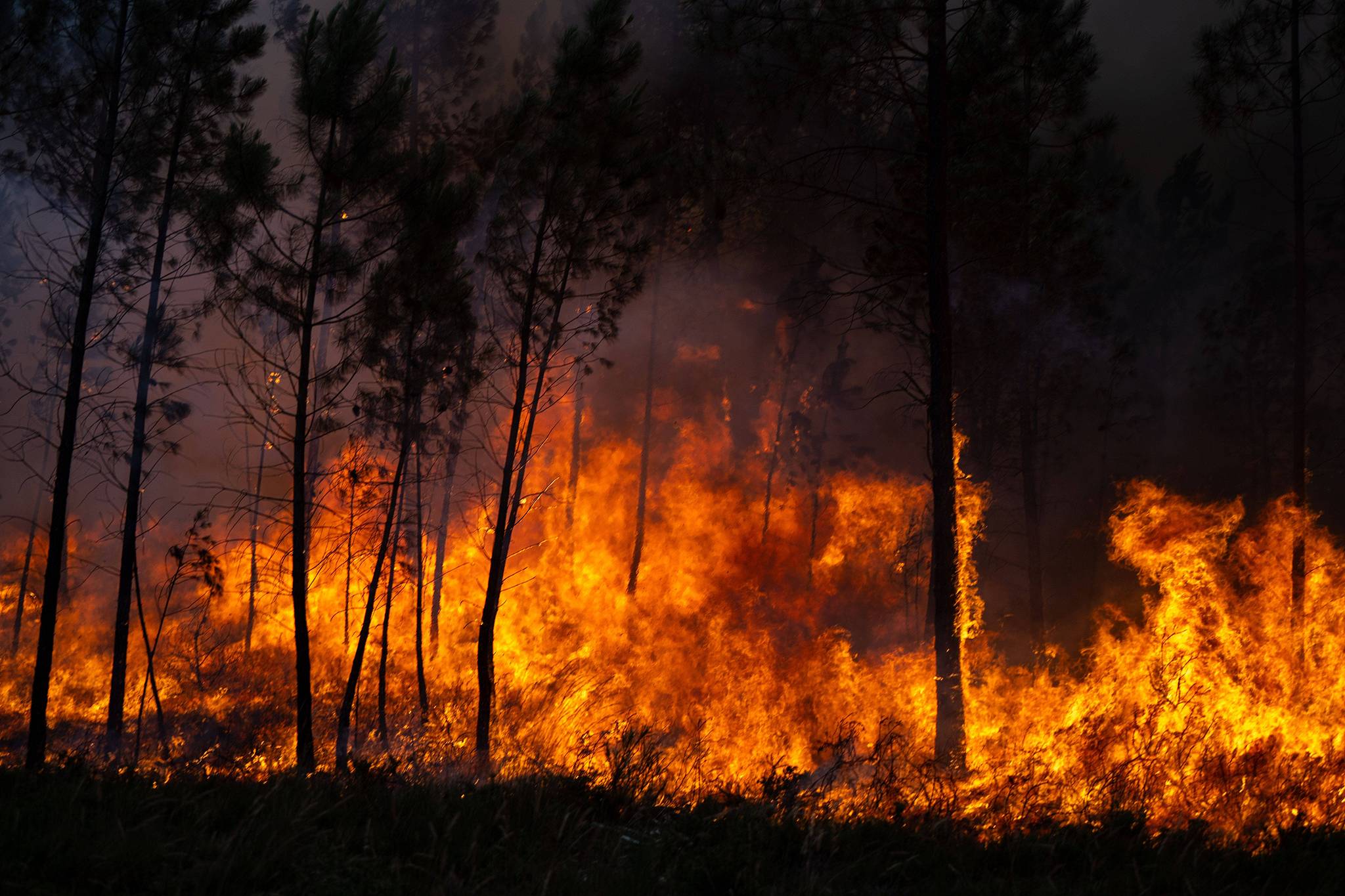
An active wildfire burns near Boboras in Galicia, Spain, June 14, 2026. /VCG
Disruptions spread across Europe
The heatwave has disrupted transport, education and public activities across the continent.
In France, schools were ordered to close or adjust schedules to avoid the hottest hours of the day, while rail operators warned that high temperatures were placing additional strain on infrastructure.
In Spain, wildfires along the Madrid-Barcelona corridor disrupted high-speed rail services, while Madrid authorities canceled a planned public screening of a FIFA Club World Cup match, citing health concerns.
The prolonged heat has also heightened wildfire risks across Southern Europe. According to European Union data, 899 recorded wildfires have burned more than 105,000 hectares across the bloc since January, nearly 50% above the 20-year average. The European Forest Fire Information System has forecast extreme fire weather conditions across parts of France, Spain and Portugal in the coming days.
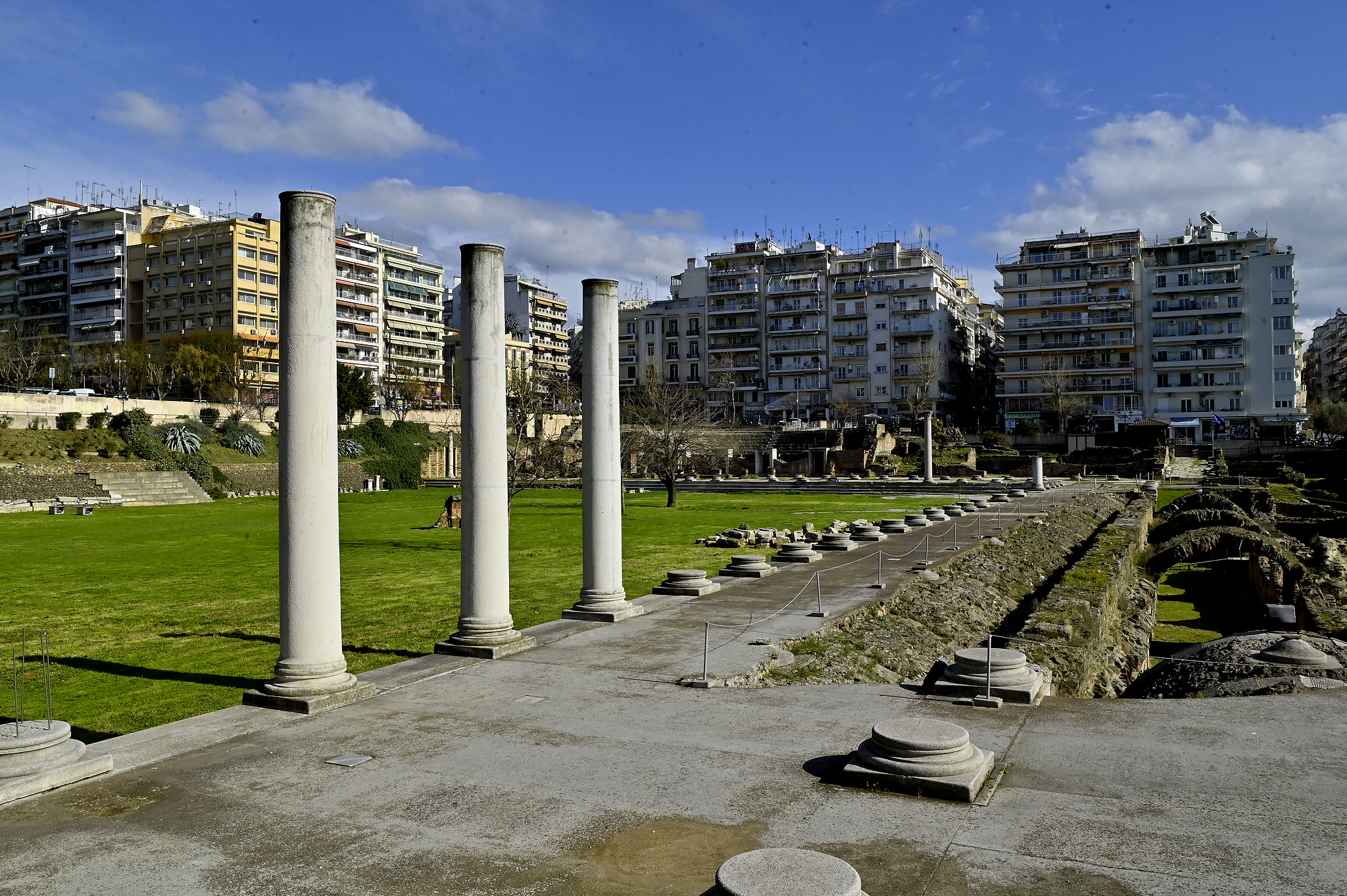
Roman Forum of Thessaloniki and Ancient Agora Archeological Site in Thessaloniki, Greece, February 21, 2026. /VCG
Scientists warn of a long-term shift
Scientists say the current heatwave is not an isolated event but part of a broader warming trend driven by decades of rising greenhouse gas emissions.
In Italy, meteorologist Lorenzo Tedici noted that some regions are recording anomalies of around 10 degrees Celsius above already elevated climate averages, highlighting the pace at which Europe's climate is changing.
The effects are increasingly visible in surrounding seas as well. Environmental experts in Greece warned that Mediterranean Sea surface temperatures now range between 25 and 30 degrees Celsius, several degrees above long-term averages, contributing to environmental stress.
Unusually warm sea temperatures have been linked to a large algal bloom near Thessaloniki in Greece, highlighting concerns about marine heatwaves and their impact on coastal ecosystems. Experts warned that prolonged elevated sea temperatures could cause lasting damage to marine ecosystems and biodiversity.
The impact of prolonged heat is increasingly being felt beyond public health and emergency services. Trade credit insurer Allianz Trade warned that if heatwave patterns continue, extreme heat could significantly affect economic output in parts of Europe over the coming years. The company described heatwaves as "no longer a short-term weather phenomenon but a structural economic shock."
For climate scientists and policymakers alike, the heatwave offers another reminder that Europe is entering an era in which extreme heat events are becoming more frequent, longer-lasting and more disruptive.